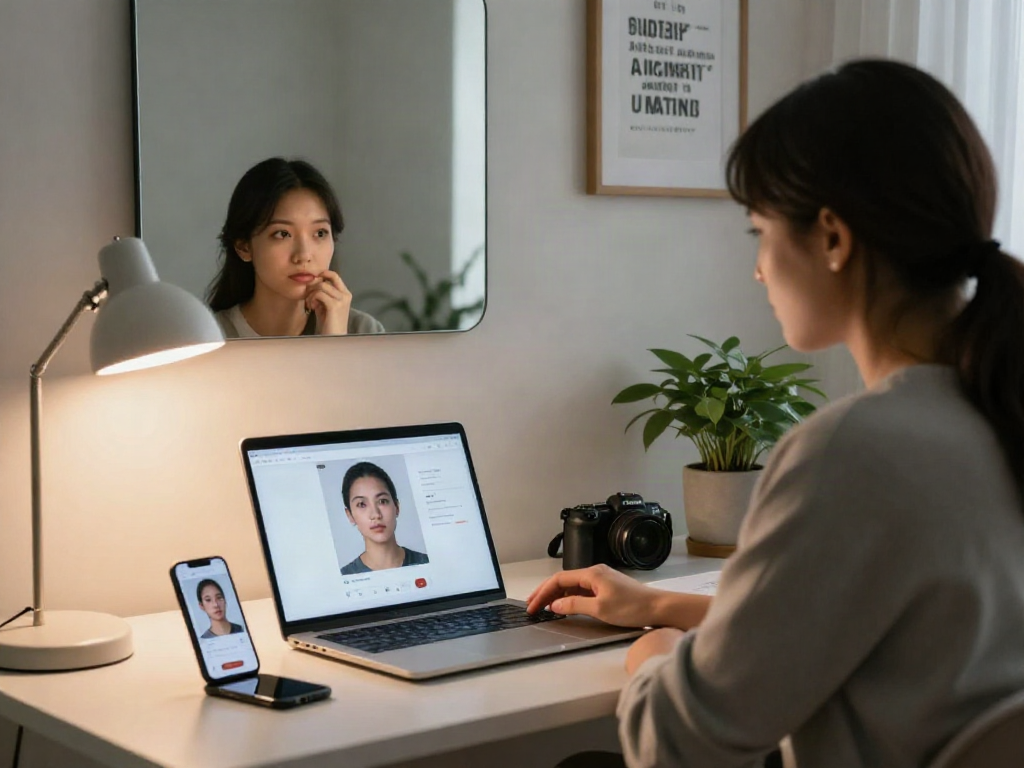
Understanding the Concept of Facial Age Estimation
Facial age estimation has gained immense popularity in recent years, driven largely by advancements in artificial intelligence and machine learning. These technologies allow users to analyze their facial features to estimate how old they appear, often leading to surprising revelations. As societal perceptions of age continue to evolve, many people are curious to know how others perceive their age. This curiosity extends to various applications, from social media fun to serious self-reflection. When exploring options, how old do I look provides comprehensive insights into this fascinating field.
What is Facial Age Estimation?
Facial age estimation refers to the process of assessing an individual's perceived age based on their facial features. This involves analyzing various attributes such as skin texture, wrinkles, and overall facial structure. By using machine learning algorithms trained on vast datasets, these tools can estimate age with remarkable accuracy. The technology utilizes features that are commonly associated with aging, including the depth of lines, volume loss, and pigmentation changes.
How Old Do I Look: The Science Behind It
The science of facial age estimation combines dermatology, psychology, and computer vision. Researchers have found that certain facial features correlate with age perception: for instance, sagging skin, pronounced wrinkles, and changes in facial contours often suggest older age. AI age estimators leverage these findings to create models that can predict a person’s age based on an image. These models are continuously improved through the incorporation of more data, enabling them to recognize a broader range of aging signs.
The Benefits of Knowing How Old You Look
Understanding how old you look can provide various personal benefits. For individuals, it can enhance self-awareness and inform skincare or lifestyle choices aimed at maintaining a youthful appearance. For businesses, especially in industries such as beauty and fashion, insights from age estimation tools can refine marketing strategies and improve customer engagement. Moreover, these tools can foster deeper conversations about age perception, beauty standards, and their impact on self-esteem.
AI Technology Revolutionizing Age Estimation
The integration of artificial intelligence into age estimation tools has revolutionized the way users perceive and interact with their image. By employing advanced algorithms and deep learning techniques, these applications can provide a high degree of accuracy while remaining accessible and user-friendly.
How AI Powers Age Detection Tools
AI powers age detection tools through complex algorithms that analyze images for specific patterns. These algorithms are trained on extensive datasets, allowing them to distinguish between different age-related features. Advanced neural networks can analyze facial expressions and textures, giving a comprehensive age assessment. Furthermore, they continually learn from user interactions, improving their accuracy over time, as seen in popular tools like FaceAge.ai and Fotor’s age guesser.
Comparing Different AI Age Estimators
Many AI age estimation tools are available today, each with varying degrees of accuracy and features. Sites like FaceAge.ai and Fotor are popular for their ease of use, allowing users to upload a photo and instantly receive age estimates. Comparatively, other tools may offer additional features such as personalized skincare recommendations based on age assessment. It is crucial for users to explore various options to find the one that best suits their needs and preferences.
Future Trends in AI Technology for Age Analysis
The future of AI in age estimation looks promising. With advancements in facial recognition technology and a growing understanding of biological age indicators, future tools may provide even more personalized assessments. We can expect improvements in real-time age detection and augmented reality applications that allow users to visualize their aging process over time. As technology continues to evolve, the convergence of AI and age perception could lead to innovative solutions in health and beauty industries.
Practical Applications of Age Estimation Tools
The practical applications of facial age estimation tools extend beyond mere curiosity. They have significant implications across various sectors, including personal branding, marketing, and social media engagement.
Using Age Estimation for Personal Branding
In today’s digital age, personal branding is essential, and knowing how old you appear can influence your online persona. Individuals can utilize age estimation tools to tailor their social media profiles and marketing materials, projecting a youthful or sophisticated image as needed. Understanding how others perceive your age can empower you to curate content that resonates with your target audience, whether in professional settings or casual interactions.
Age Estimation in Marketing Strategies
Businesses can tap into age estimation technology to better understand their demographics. By analyzing how their audience perceives age, companies can tailor their marketing strategies, from product development to advertising campaigns. For example, beauty brands might focus on anti-aging products if their customer base appears younger than expected, thus aligning their offerings with market demands.
How Old Do I Look: Fun Uses in Social Media
Social media platforms have embraced age estimation tools for their entertainment value. Users often engage with these applications to share fun insights about their perceived age with friends. This can lead to viral trends, challenges, and wide-ranging discussions about beauty and aging. The playful nature of these tools encourages a light-hearted approach to self-image while fostering connections among users.
Challenges and Considerations in Age Estimation
Despite the excitement surrounding age estimation technology, there are challenges and ethical considerations that users and developers must keep in mind.
Common Misconceptions about Age Estimators
One prevalent misconception about age estimation tools is that they provide definitive biological ages. In reality, these tools offer estimates based on visual analysis, which can be influenced by various factors, including genetics, environmental conditions, and lifestyle habits. Users may become overly reliant on these estimates, leading to skewed self-perceptions.
Privacy Concerns with Facial Recognition Technologies
Privacy concerns are paramount when utilizing facial recognition technologies. Many users are wary of uploading personal images for analysis due to fears about data security and misuse. Developers must adhere to strict privacy protocols and transparency to maintain user trust. Implementing data protection measures is essential to alleviate these concerns and promote widespread adoption of these technologies.
Understanding Accuracy and Limitations
While advancements in AI have increased the accuracy of age estimation tools, limitations still exist. Factors such as lighting, image quality, and even the angle of the photo can impact results. Users should approach these tools as one of many methods for understanding their appearance rather than as absolute measures. Continuous learning and adaptation will likely improve accuracy in future iterations of AI age estimators.
Looking Ahead: The Future of Age Estimation in 2026 and Beyond
As technology advances, the field of facial age estimation is set to evolve significantly, with new trends and applications emerging on the horizon. The future holds exciting prospects for both consumers and businesses.
Emerging Technologies Impacting Age Estimation
Emerging technologies, such as augmented reality (AR) and virtual reality (VR), have the potential to revolutionize how users interact with age estimation tools. Users could visualize their appearance at different life stages or receive real-time feedback as they apply skincare products. Additionally, integrating biometric data could create more accurate biological age assessments, blending science with user experience.
Predictions for User Engagement and Experience
As age estimation technologies become more sophisticated, user engagement is expected to rise. Features that promote sharing and social interactions will likely enhance the appeal of these tools, particularly among younger demographics. Businesses may leverage gamification strategies to encourage users to explore age-related functionalities while gathering valuable insights into customer preferences.
Innovative Applications in Diverse Industries
In the coming years, diverse industries will continue to harness age estimation tools for innovative applications. Healthcare providers may incorporate these tools into patient assessments, while entertainment industries could integrate them into interactive experiences. The potential for these tools to drive engagement and insights across various sectors is vast, suggesting a bright future for the technology.
What age do I look based on different cultural perceptions?
Facial age perception can vary significantly across cultures. Different societal standards and norms influence how age is viewed, shaping personal and professional interactions. Understanding these variations can lead to more personalized and effective marketing strategies that resonate with diverse audiences.
Can age estimation tools truly gauge your biological age?
While these tools provide fun and engaging insights, users should remember that biological age assessment typically requires comprehensive medical evaluations. Age estimation tools focus more on perceived age rather than providing a factual biological age, highlighting the importance of understanding their purpose and limitations.
How reliable are online age estimation tools?
Reliability can vary among different online age estimation tools. Many tools are backed by solid research but can still be subject to inaccuracies due to external factors such as lighting and photo quality. Users should approach them as entertaining assessments rather than definitive measurements.
What are the ethical concerns surrounding age estimation?
Ethical considerations arise from the use of facial recognition technologies, particularly regarding consent and privacy. Developers must ensure that users are aware of how their data will be used and implement stringent measures to protect their information. Ethical guidelines will be vital for building a trustworthy landscape as these technologies gain traction.
How to choose the best age estimation tool for personal use?
When selecting an age estimation tool, users should consider factors such as accuracy, user interface, privacy policies, and additional features. Opt for platforms that prioritize data security and offer clear guidelines on how user data is handled. Testing multiple tools can provide a broader understanding of which application aligns best with personal preferences.