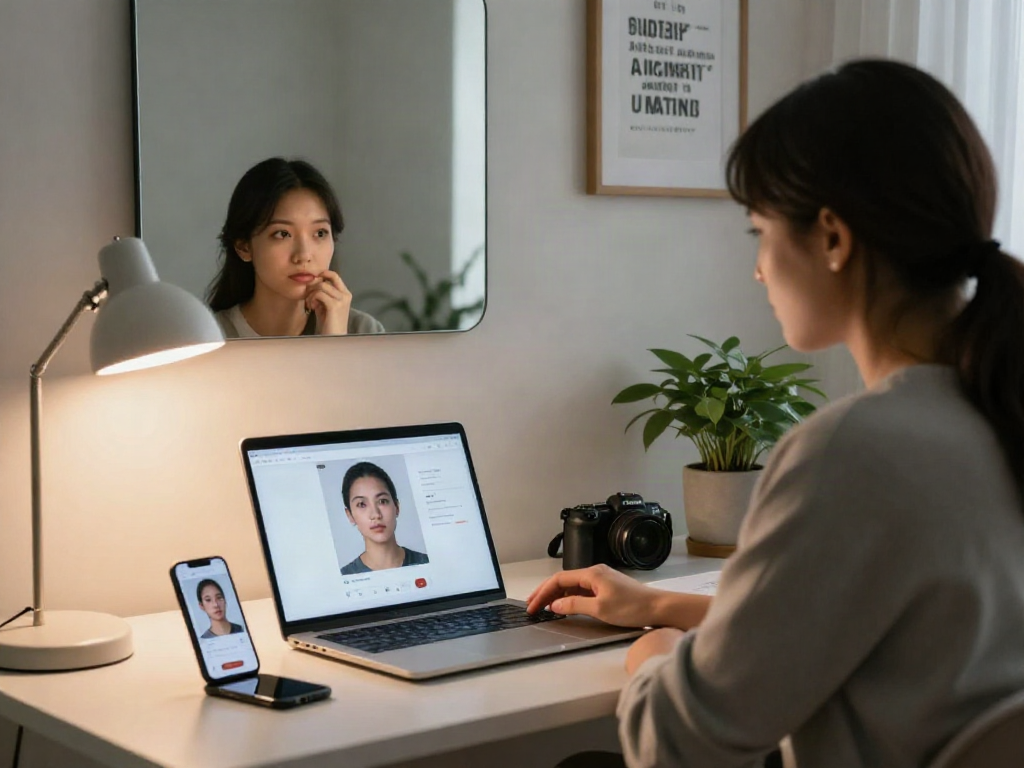
Understanding the Attractive Test: What It Is and How It Works
In today's world, where appearance can influence perceptions and opportunities, the use of an attractive test has gained significant traction. These tests apply advanced algorithms and artificial intelligence to analyze facial features, ultimately providing individuals with a score that reflects perceived attractiveness. By evaluating various aspects of facial symmetry and proportions, these tests can offer insights into personal beauty standards and how they align with contemporary ideals. As more people turn to these tools for self-assessment, understanding the mechanics behind them becomes essential. For those curious about exploring options, an attractive test can provide comprehensive insights into their facial appeal.
What Is an Attractive Test?
An attractive test is a digital tool designed to assess facial attractiveness through a combination of mathematical algorithms, machine learning, and image processing technologies. Users typically upload a photograph, which the software then analyzes to determine a score based on specific criteria. This score is often presented on a scale, offering a quantifiable measure of attractiveness.
Key Metrics Used in Attractiveness Testing
- Facial Symmetry: Research shows that individuals with symmetrical faces are generally perceived as more attractive. Symmetry is often a key metric used in these tests.
- Proportions: The golden ratio, a mathematical ratio often found in nature, is applied to evaluate facial proportions. Faces that align closely with this ratio tend to score higher in attractiveness tests.
- Facial Features: Specific features such as the eyes, mouth shape, and nose size are analyzed to gauge overall attractiveness.
How AI Enhances the Attractive Test Experience
Artificial intelligence plays a pivotal role in enhancing the accuracy and reliability of attractiveness tests. By utilizing deep learning algorithms trained on vast datasets of human faces, AI can identify subtle nuances in facial features that might be overlooked by traditional assessments. This technology allows for a more personalized experience, adapting to various beauty standards across different cultures and societies.
The Science Behind Attractiveness: Facial Features and Perception
Attractiveness is not merely a subjective concept; scientific principles underpin what society deems beautiful. Understanding these principles can help individuals better appreciate the complexities of attraction and beauty standards.
The Role of Symmetry in Attractiveness
Symmetry is often hailed as a cornerstone of beauty. Research indicates that humans are biologically programmed to appreciate symmetrical features. This preference may stem from evolutionary factors, as symmetry is often associated with good health and genetic fitness. In attractiveness tests, symmetrical faces typically receive higher scores, aligning with societal perceptions of beauty.
Golden Ratio and Its Importance in Beauty Standards
The golden ratio, approximately 1.618, has been employed for centuries in art and architecture to achieve aesthetically pleasing compositions. This ratio also finds relevance in beauty assessments, as many faces exhibiting proportions close to the golden ratio tend to be favored in attractiveness tests. The application of this principle lends a mathematical credibility to beauty that transcends personal taste.
Common Misconceptions About Attractiveness Tests
Despite their growing popularity, many misconceptions surround attractiveness tests. One common myth is that these tests provide definitive measures of one's worth or potential. In reality, they are merely reflections of societal standards that are constantly evolving. Furthermore, the subjective nature of beauty means that results can vary drastically based on cultural backgrounds and personal preferences.
How to Prepare for Your Attractive Test
To achieve the most accurate results from an attractiveness test, preparation is key. Factors such as photo quality, lighting, and the environment can significantly influence the outcome.
Best Practices for Quality Photos
- Use High Resolution: Ensure your photo is high-quality and clear to capture finer details of your face.
- Face Forward: Position your face directly facing the camera to allow for accurate symmetry assessment.
- Avoid Filters: Use natural lighting without filters or edits to get the most authentic results.
Setting the Right Mood: Lighting and Environment
Lighting can dramatically affect how facial features are perceived. Bright, natural light without harsh shadows will help highlight your best features. Shooting against a neutral background can further eliminate distractions, drawing attention solely to your face.
Technical Tips for Optimal Results
Use a tripod or stable surface to avoid camera shake, which can distort facial features. Additionally, consider employing a timer for convenience, allowing you to position yourself comfortably before the shutter clicks.
Interpreting Your Results: What Do They Mean?
After taking an attractiveness test, understanding the results is crucial for personal growth and confidence building.
Understanding Your Attractiveness Score
Your score generally reflects how closely your features align with established beauty standards and metrics. It's essential to view this score within context, recognizing that it is just one perspective on your overall attractiveness.
How to Use Feedback for Self-Improvement
Constructive feedback from attractiveness tests can be utilized for personal development. If certain features are highlighted as areas for improvement, consider exploring makeup techniques or skincare routines that enhance those aspects.
When to Seek Professional Advice on Enhancing Attractiveness
If you feel particularly affected by your scores or find specific areas of concern, consulting with a professional such as a dermatologist or cosmetic expert may provide valuable insights and options.
Future Trends in Attractiveness Testing for 2026 and Beyond
The landscape of attractiveness testing is set to evolve significantly in the coming years, driven by technological advancements and cultural shifts.
Emerging Technologies in Beauty Assessment
With the rapid development of AI and machine learning, future attractiveness tests may incorporate augmented reality (AR) features, allowing users to visualize potential enhancements in real-time. This could facilitate a more engaging and interactive testing experience.
Sustainable Practices in Attractiveness Testing
As awareness of environmental issues grows, there may be a shift towards sustainable practices in the beauty industry. This includes promoting natural beauty and reducing reliance on editing tools that can give unrealistic standards.
The Growing Impact of Social Media on Beauty Standards
Social media platforms continue to shape perceptions of beauty at an unprecedented scale. As influencers gain popularity, their standards may affect what is deemed attractive, leading to further evolution in attractiveness tests to align with these changing ideals.
What is the most reliable attractive test?
While many tools are available online, reliability often hinges on the underlying algorithms and data used in the assessment. Tests leveraging extensive datasets and AI tend to yield more consistent results.
Can attractiveness tests predict real-life success?
Research shows a correlation between perceived attractiveness and various societal advantages, including job opportunities and social interactions. However, success is multifaceted and cannot be determined solely by looks.
How to improve your attractiveness score over time?
Improving your score can involve enhancing self-care practices, maintaining a healthy lifestyle, and adopting grooming habits that highlight your best features.
Are AI attractiveness tests accurate?
While AI tests can offer valuable insights, they should not be viewed as absolute measures. Variability in cultural ideals means that results can differ significantly across different demographics.
What's the best way to use your attractiveness results?
Use the insights gained to foster self-acceptance, focusing on aspects you wish to enhance while celebrating your unique beauty. Share your experiences with others to promote a more inclusive understanding of attractiveness standards.