Understanding Containerized Water Treatment Systems
Containerized water treatment systems represent a revolutionary approach to managing water quality challenges across various industries and environments. With the growing demand for flexible, efficient, and sustainable water treatment solutions, these systems are increasingly recognized for their ability to adapt to different operational needs. Whether for municipal water supply, industrial applications, or remote areas, containerized solutions are tailored to ensure safe, clean water production regardless of the incoming water quality. When exploring options, Containerized water treatment systems provide comprehensive insights into flexibility, cost-effectiveness, and technological advancement.
What are Containerized Water Treatment Systems?
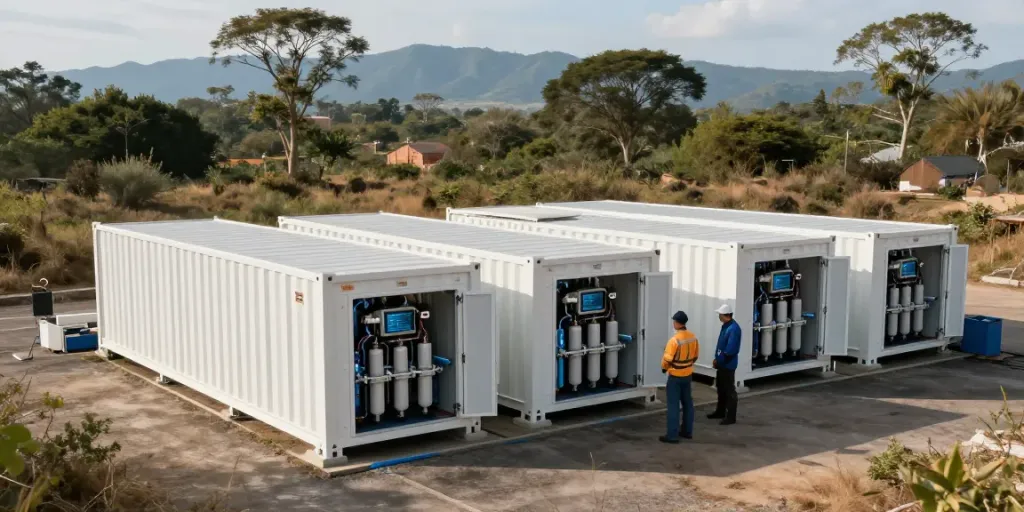
Containerized water treatment systems are modular, self-contained units designed to treat water in a variety of settings. Housed within durable shipping containers, these systems integrate various treatment technologies that can include filtration, reverse osmosis, disinfection, and even advanced oxidation processes. Their modular design allows for easy transport and quick on-site deployment, making them ideal for locations where traditional water treatment infrastructure is impractical or too costly.
The versatility of containerized systems allows them to be customized to specific treatment needs, whether for drinking water supply, wastewater treatment, or industrial process water. They can be utilized in diverse environments, from urban settings to remote or disaster-stricken areas, ensuring access to clean water where it's needed most.
Key Benefits Compared to Traditional Systems
Containerized water treatment systems offer several advantages over traditional methods:
- Rapid Deployment: Containerized systems can be operational in a matter of days, compared to the months required for constructing traditional plants.
- Space Efficiency: These systems require significantly less physical space, often needing only a flat area for placement.
- Quality Control: The prefabricated nature of containerized units allows for consistent quality and reliable performance.
- Mobility and Reusability: Once service is no longer needed at a given site, these units can be relocated, boasting a reusability rate of over 90%.
- Resource Recycling: Many systems support the integration of water reuse technologies, enhancing water sustainability efforts.
Applications Across Different Industries
The adaptability of containerized water treatment systems allows them to serve a wide array of industries, including:
- Agriculture: Providing clean water for irrigation and livestock, helping to enhance food security.
- Mining: Supplying water for operational processes while treating and recycling wastewater.
- Construction: Ensuring a reliable water supply during project execution, particularly in remote areas.
- Disaster Relief: Acting as immediate solutions for water needs following natural disasters.
Core Technologies Behind Containerized Systems
Modular Design and Its Advantages
The modular design of containerized systems is a key factor that contributes to their flexibility and efficiency. Each unit can be tailored to meet specific treatment needs without the requirement for extensive civil engineering. The factory-prefabricated components undergo rigorous testing before deployment, ensuring high standards of operation and performance. By adopting a modular approach, these systems can easily adapt to expansions or modifications as water treatment demands evolve.
Advanced Filtration Techniques: RO and RO-EDI Integration
One of the most significant advancements in containerized water treatment is the integration of reverse osmosis (RO) and electrodeionization (RO-EDI) technologies. RO is renowned for its ability to remove a vast array of contaminants, while RO-EDI offers continuous high-purity water production without the need for chemical regeneration. This combination ensures that water meets the stringent requirements for industrial applications, such as pharmaceuticals, where water purity is critical.
Intelligent Control Systems for Efficiency
Modern containerized systems incorporate intelligent control technologies that enable real-time monitoring and remote operation. These systems leverage IoT (Internet of Things) capabilities to track water quality and system performance metrics, empowering operators to respond swiftly to any service interruptions or quality issues. With cloud connectivity, notifications and alerts can be sent directly to operators’ mobile devices, making management more efficient and effective.
Deployment and Operation of Containerized Systems
Step-by-Step Deployment Process
The deployment of containerized water treatment systems typically follows a straightforward process:
- Site Assessment: Evaluate the location for placement, considering factors like accessibility and ground stability.
- Logistical Planning: Coordinate the delivery of containers and any necessary equipment.
- Installation: Position the containers, connect utilities, and set up the systems for operation.
- Testing: Conduct thorough testing to ensure all systems operate as intended prior to full-scale use.
Maintenance Best Practices for Longevity
To ensure the longevity and efficiency of containerized water treatment systems, regular maintenance practices should be established. Key maintenance activities include:
- Routine Inspections: Regular checks of mechanical components and filtration membranes to identify wear or degradation.
- Cleaning and Replacement: Scheduled cleaning of filters and replacement of consumable parts to maintain optimal performance.
- System Updates: Keeping software and control systems updated to benefit from the latest features and improvements.
Real-Time Monitoring and Remote Operations
With the advent of IoT, many containerized systems now include features for remote monitoring and control. Operators can access system data from anywhere, allowing for timely interventions. This capability not only enhances operational efficiency but also helps in maintaining the quality of treated water, ensuring consistent compliance with regulatory standards.
Case Studies: Successful Containerized Water Solutions
Municipal Applications: Enhancing Water Supply
Several municipalities have successfully implemented containerized water treatment solutions to enhance their water supply systems. In areas facing infrastructure challenges, these systems have provided immediate access to potable water, showcasing their effectiveness in urban settings. Local governments report significant improvements in water quality and availability, leading to higher public satisfaction.
Industrial Use: Consistent High-Purity Water Production
Industries such as pharmaceuticals and electronics, which require high-purity water, have increasingly turned to containerized systems. A notable case involved a pharmaceutical manufacturer that faced water quality compliance issues. By integrating a containerized RO system, they restored compliance while reducing costs and improving operational efficiency.
Remote Area Solutions: Case Examples
Containerized water treatment systems have proven invaluable in remote areas where conventional infrastructure is lacking. In one case study, a community in a remote region utilized a containerized system to treat contaminated groundwater, ultimately providing safe drinking water to hundreds of families. This implementation not only improved health outcomes but also empowered the community to engage in agricultural activities.
Future Trends in Containerized Water Treatment
Emerging Technologies to Watch in 2026
As technology continues to evolve, containerized water treatment systems are likely to incorporate even more advanced features. Innovations such as artificial intelligence for predictive maintenance, advanced sensor technologies for better monitoring, and enhanced water recycling capabilities will become integral. These advancements will position containerized systems at the forefront of sustainable water management solutions.
Sustainability Practices in Water Treatment
With increasing emphasis on sustainability, containerized systems are designed with resource recovery in mind. The integration of reclaimed water reuse modules not only reduces freshwater demand but also ensures that wastewater is treated and repurposed efficiently. These practices are becoming essential in industries looking to minimize their environmental footprint.
Market Predictions and Growth Opportunities
The market for containerized water treatment systems is projected to grow significantly in the coming years, driven by the demand for flexible and efficient water solutions. As industries increasingly recognize the benefits of these systems, opportunities for manufacturers and operators will expand, leading to innovations that will further decrease costs and improve efficiency.
What are the advantages of containerized water treatment systems?
Containerized water treatment systems offer rapid deployment, modular design, significant space savings, high-quality control, mobility, and excellent resource recycling capabilities, making them ideal for diverse applications.
How quickly can a containerized system be deployed?
Containerized systems can be deployed within 3-7 days, significantly shortening the time frame compared to traditional methods which may take months.
What industries benefit most from these systems?
Industries such as pharmaceuticals, construction, mining, and disaster relief benefit greatly from containerized water treatment systems due to their flexibility, rapid deployment, and capacity for high-purity water production.
How do containerized systems compare in cost to traditional setups?
Containerized systems are generally more cost-effective than traditional water treatment plants due to lower infrastructure costs, faster deployment, and reduced operational overhead.
What maintenance is required for optimal performance?
Maintenance typically includes routine inspections, cleaning, replacement of parts, and updates to control systems to ensure sustained operational efficiency and compliance with water quality standards.