Understanding CNC Machining Parts Manufacture
CNC machining has revolutionized the manufacturing landscape since its inception, allowing for unparalleled precision and efficiency in the production of complex parts. As a cnc machining parts manufacturer, Honscn has been at the forefront of this technology since 2003, focusing on delivering high-quality, precision-engineered components. This article explores the key elements of CNC machining, its significance in modern manufacturing, and the impact it has had on various industries.
What is CNC Machining?
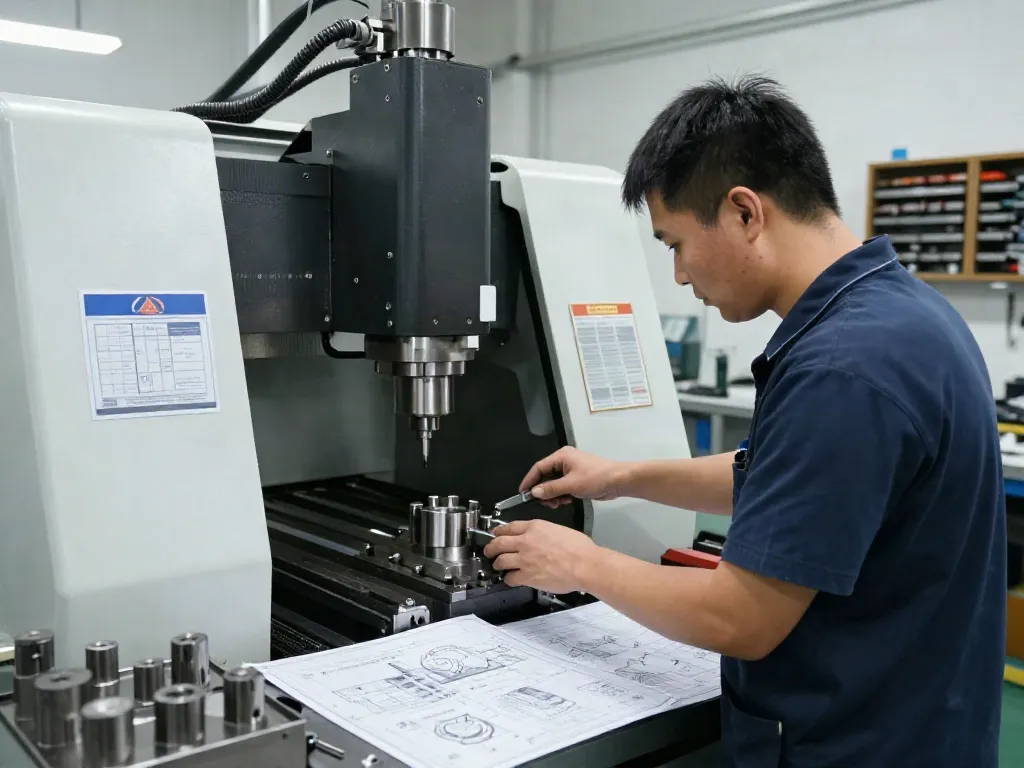
CNC, or Computer Numerical Control, machining refers to the automated control of machining tools through computers. This process involves the use of pre-programmed software to dictate the movement of factory tools and machinery. CNC machines can be used to control a variety of complex machinery, including grinders, lathes, and milling machines. The key advantage of CNC machining is consistency; it allows for the repeated production of parts with pinpoint accuracy, drastically reducing the margin of error that can occur in manual machining processes.
Key Components of CNC Machining Parts
The production of CNC machined parts involves several critical components, each playing a vital role in the overall process:
- Computer Software: The heart of CNC machining, software like CAD (Computer-Aided Design) is used for creating part designs and programming machining operations.
- CNC Machines: Machines such as mills, lathes, and routers are equipped with the necessary hardware to conduct machining operations.
- Cutting Tools: Various types of cutting tools are used depending on the material being machined and the desired outcome, including drills, end mills, and taps.
- Fixtures and Jigs: These are used to hold and secure the workpiece in place during machining to ensure precision.
The Role of CNC Machining in Modern Manufacturing
CNC machining plays a pivotal role in contemporary manufacturing by enabling the production of high-precision parts at scale. Industries such as aerospace, automotive, and medical rely heavily on CNC machining for their component production. The ability to quickly produce parts from various materials, including metals and plastics, allows manufacturers to respond swiftly to market demands while maintaining stringent quality standards.
Quality Assurance in CNC Machining Parts
Quality assurance is paramount in CNC machining, as the precision of parts can be the difference between functionality and failure. Implementing stringent quality control measures not only enhances the reliability of products but also fosters customer trust and satisfaction.
Importance of Quality Standards in CNC Manufacturing
Establishing quality standards in CNC manufacturing involves adhering to recognized specifications such as ISO 9001. These standards ensure that processes are consistent and reliable, reducing the likelihood of defects and enhancing customer confidence in the products being offered.
Implementing Effective Quality Control Processes
Effective quality control processes in CNC machining include regular inspections, real-time monitoring of machining conditions, and the use of statistical process control methods. These techniques help in identifying potential issues before they escalate into significant problems, ensuring that each part meets the intended specifications.
Case Studies of Quality Success in CNC Machining
Several case studies illustrate the importance of quality assurance in CNC machining. One notable example involves a leading aerospace manufacturer that implemented advanced quality control techniques, which resulted in a 30% reduction in defective parts and significantly improved customer satisfaction ratings. This underscores the necessity of rigorous quality management in the machining industry.
Challenges Faced by CNC Machining Parts Manufacturers
While CNC machining offers numerous advantages, it also presents several challenges that manufacturers must navigate to stay competitive.
Common Technical Difficulties and Solutions
Technical issues such as tool wear, software glitches, and machine malfunctions can disrupt production. Manufacturers often employ predictive maintenance techniques and invest in staff training to mitigate these risks. By proactively addressing potential equipment failures, companies can minimize downtime and maintain productivity.
Addressing Regulatory and Compliance Issues
CNC manufacturers must comply with various regulations, including environmental standards and safety protocols. Staying informed about regulatory changes, engaging in regular compliance audits, and maintaining transparency with regulatory bodies can help mitigate legal risks.
Overcoming Market Competition in 2026
The CNC machining landscape is becoming increasingly crowded as new players enter the market. Competing on price is often unsustainable; therefore, manufacturers must focus on innovation, customer service, and product quality to differentiate themselves. Establishing strong relationships with clients and offering custom solutions can also provide a competitive edge.
Best Practices for CNC Machining Parts Production
Adopting best practices in CNC machining production not only enhances efficiency but also ensures that the finished products meet quality standards.
Methods to Ensure Precision and Efficiency
Manufacturers can ensure precision and efficiency by utilizing advanced CNC technologies, including multi-axis machines that allow for more complex geometries and reduce setup times. Additionally, employing techniques like lean manufacturing can streamline operations while minimizing waste.
Adopting Innovative Technologies in CNC Processes
Technological advancements, such as additive manufacturing and robotics, are reshaping the CNC machining industry. These innovations can enhance the capabilities of machining processes, improve consistency, and reduce production times.
Strategies for Sustainable Manufacturing Practices
In today's environmentally-conscious market, adopting sustainable manufacturing practices is crucial. Using energy-efficient machines, recycling materials, and reducing waste can not only lower operational costs but also appeal to eco-friendly consumers.
The Future of CNC Machining Parts Manufacturing
As we look towards the future, the CNC machining industry is poised for significant transformation through the adoption of cutting-edge technologies and methodologies.
Emerging Trends and Technologies for 2026
Trends such as automation and artificial intelligence are set to revolutionize CNC machining. Automated systems can optimize machine settings and predict maintenance needs, while AI can enhance design processes by analyzing vast datasets to derive insights that would be unattainable manually.
Anticipating Market Changes and Consumer Needs
Manufacturers must stay attuned to shifting consumer preferences and market trends, including a growing demand for personalized products. By fostering agility in their operations, CNC manufacturers can swiftly adapt to meet these evolving needs.
How AI and Automation are Shaping the Industry
AI and automation are already influencing CNC machining operations by enabling predictive analytics, reducing labor costs, and enhancing production speed. Embracing these technologies will be essential for manufacturers aiming to remain competitive in the coming years.
How to Choose the Right CNC Machining Parts Manufacturer?
Selecting the right CNC machining parts manufacturer involves assessing their experience, technology capabilities, and quality assurance processes. Look for manufacturers that can provide a comprehensive range of services, including design support and rapid prototyping, to meet diverse project requirements.
What Are the Benefits of CNC Machining?
The benefits of CNC machining include high precision, repeatability, efficiency in production, and the ability to manufacture complex designs. Additionally, CNC machining reduces the likelihood of human error, ensuring that parts are produced consistently to specification.
How to Start with CNC Machining for New Businesses?
New businesses looking to enter the CNC machining sector should begin by investing in quality machinery, skilled personnel, and robust software solutions. Developing a clear business plan and understanding target markets will also be crucial for successful entry into this competitive field.
What Industries Benefit Most from CNC Machining?
Industries such as aerospace, automotive, medical, and consumer electronics benefit immensely from CNC machining due to the precision and reliability it offers. These sectors often require high-quality, customized components that can only be efficiently produced through CNC processes.
Can CNC Machining Reduce Manufacturing Costs?
CNC machining can significantly reduce manufacturing costs by minimizing waste, optimizing material usage, and accelerating production times. Additionally, automation can decrease labor costs, further enhancing overall profitability.
What is the Impact of CNC Machining on the Environment?
While CNC machining can have a positive impact on reducing waste through efficient material usage, it also contributes to energy consumption. Manufacturers must strive to implement sustainable practices, such as utilizing eco-friendly materials and energy-efficient machines, to mitigate this effect.