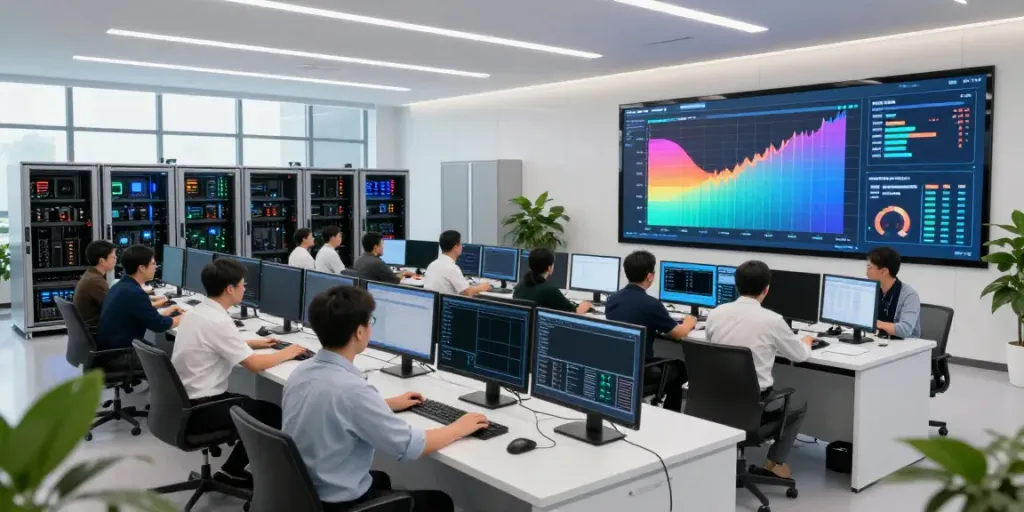
Understanding AI Image Detection
The advent of artificial intelligence (AI) has revolutionized numerous sectors, with one of the most intriguing developments being AI Image Detection. This technology enables the identification of images generated by AI algorithms, which is becoming increasingly crucial as AI-generated visuals proliferate across the internet. With advancements in machine learning and image processing, understanding how AI image detection works, and its applications can help individuals and organizations navigate the complexities of modern digital media.
What is AI Image Detection?
AI Image Detection refers to the use of artificial intelligence techniques to analyze images and determine their authenticity, particularly whether they are created by human artists or generated by algorithms. As AI models become more sophisticated, the line between real and artificially generated content blurs, making detection technologies essential. These tools employ various methodologies, including neural networks and pattern recognition, to assess features such as pixel patterns, metadata, and even inconsistencies that are typically present in AI-generated images.
Key Technologies Behind AI Image Detection
The foundation of AI Image Detection involves several cutting-edge technologies including:
- Convolutional Neural Networks (CNNs): CNNs are essential for image recognition tasks as they excel in identifying spatial hierarchies in images. They analyze multiple layers of data to classify images accurately.
- Generative Adversarial Networks (GANs): GANs are often used to create realistic images but are also instrumental in developing detection tools that can spot subtle differences between real and AI-generated images.
- Optical Character Recognition (OCR): In some cases, OCR algorithms help in detecting text embedded within images, which might give hints about the image's origin.
These technologies collectively enable robust detection systems that can keep pace with the rapid evolution of AI image creation.
The Importance of Accurate Image Analysis
Accurate image analysis is paramount in an era where misinformation can be rampant. AI-generated images can easily mislead audiences, influencing public opinion and distorting facts. Institutions like news organizations, educational platforms, and social media networks rely on AI image detection systems to maintain the integrity of the content shared with the public. Ensuring that images are authentic helps prevent the spread of deepfakes, manipulated media, and other forms of deceptive content.
Applications of AI Image Detection
How AI Image Detection is Used in Digital Media
The digital media landscape is undergoing a transformative shift due to AI-generated content. AI Image Detection plays a critical role in authenticating images used in articles, advertisements, and online campaigns. Publishers utilize detection software to ensure they are distributing accurate representations of events or subjects, thus preserving trust with their audiences. This technology can also assist in copyright enforcement by detecting unauthorized usage of AI-generated images.
The Role of AI in Detecting Deepfakes
Deepfake technology, which leverages AI to create hyper-realistic fake videos and images, poses significant risks, including privacy violations and misinformation. AI Image Detection tools are vital in identifying deepfakes by analyzing inconsistencies, such as mismatched facial movements, unnatural lighting, or inconsistent shadows. As deepfake technology improves, so too must the detection mechanisms, ensuring that users can rely on trustworthy visual content.
AI Image Detection in Social Media Platforms
Social media platforms are at the forefront in battling the misuse of AI-generated content. Tools for AI Image Detection are integrated into platforms to flag potentially misleading images automatically. This process helps platforms maintain community standards and protect users from falling victim to misinformation. As social media continues to evolve, the demand for effective detection methods will only increase, requiring ongoing investment in these technologies.
Challenges in AI Image Detection
Common Misconceptions About AI Image Detection
One prevalent misconception is that AI Image Detection is infallible. While these systems are highly advanced, they are not perfect and can produce false positives or negatives. Understanding the limitations and ensuring that users approach the results with a critical mindset is vital for effective implementation.
Technical Limitations and Obstacles
AI Image Detection systems face several technical hurdles, including:
- Dataset Limitations: The effectiveness of AI detection systems largely depends on the quality and diversity of the datasets used for training. Limited datasets can lead to improved performance on known image types but poor adaptability to new styles or technologies.
- Computational Power: In-depth analysis often requires significant computational resources, which may not be accessible to all users or organizations, particularly those with limited budgets.
- Evolving AI Techniques: As AI generation techniques develop, detection methods must also evolve, creating a continuous challenge for developers to keep pace.
Addressing Concerns of Privacy and Security
With AI image detection comes the responsibility to handle data ethically. Many users express concerns about privacy when their images are analyzed. It is crucial for companies to develop transparent policies regarding data usage, ensuring that users feel secure while benefiting from detection services. Balancing effective detection while respecting user privacy is a challenge that needs ongoing dialogue and innovation.
Best Practices for Implementing AI Image Detection
Steps for Integrating AI Image Detection Software
Integrating AI Image Detection systems into existing workflows can enhance the quality and trustworthiness of visual content. Organizations should follow these steps:
- Assessment of Needs: Determine whether AI Image Detection aligns with organizational goals and addresses specific challenges.
- Choosing the Right Software: Evaluate various AI detection tools based on their accuracy, ease of integration, and user reviews.
- Training Staff: Educate team members on how to interpret detection results and make informed decisions based on the insights provided.
- Monitoring and Refinement: Continuously track the performance of the detection system and refine processes based on feedback and technological advancements.
Measuring Effectiveness and Accuracy
To ensure the reliability of AI Image Detection systems, organizations should establish benchmarks for effectiveness. This may involve conducting regular tests against known datasets, as well as user feedback to fine-tune algorithms. Performance metrics, including accuracy rates and response times, should be routinely evaluated to keep up with new developments in AI and image generation technologies.
Continuous Learning and Model Improvement
The landscape of AI is ever-changing, which means that AI Image Detection systems require constant updates and improvements. Developers must facilitate continuous learning by retraining models with new datasets and integrating emerging technologies. This proactive approach helps organizations stay ahead of the curve, adapting to the fast-paced evolution of AI-generated content.
The Future of AI Image Detection
Emerging Trends and Predictions for 2026
As we look toward 2026, several trends will likely shape the future of AI Image Detection:
- Increased Automation: Expect more automated detection solutions that operate seamlessly within existing workflows, making it easier for users to identify AI-generated content without extensive manual intervention.
- Enhanced Accuracy: Continuous advancements in algorithms will lead to higher accuracy rates in differentiating between human and AI-generated images, improving user trust and confidence.
- Integration with Other Technologies: AI Image Detection will increasingly intersect with other emerging technologies, such as blockchain for provenance verification, enriching the context and reliability of visual content.
Advancements in AI Technology Impacting Image Detection
The ongoing progression of AI technologies, including machine learning and neural networks, will undoubtedly impact image detection. These advancements may introduce novel methods for detecting subtle variations in images and enhance the scope of detection capabilities, such as recognizing stylistic fingerprints of specific AI tools.
Preparing for the Future: Skills and Knowledge to Acquire
As the field of AI Image Detection matures, professionals should focus on acquiring relevant skills such as:
- Data Science: Understanding data analysis and machine learning principles will be critical in developing and maintaining effective detection systems.
- Ethics in AI: Proficiency in ethical considerations surrounding AI will be indispensable as organizations navigate privacy concerns and misinformation.
- Technical Proficiency: Familiarity with programming languages and software development frameworks will empower professionals to innovate and adapt AI detection tools.
What are the benefits of AI Image Detection?
AI Image Detection offers numerous advantages, including increasing the quality of content shared online, enhancing user trust, and mitigating the risks associated with misinformation. By efficiently identifying AI-generated content, organizations can maintain credibility and uphold ethical standards in their operations.
How does AI differentiate between real and AI-generated images?
AI differentiates between real and AI-generated images through complex algorithms that analyze various attributes, such as pixel distribution, lighting inconsistencies, and even internal patterns unique to AI-generated content. By examining these nuances, detection systems can make informed assessments about an image's origin.
What industries benefit most from AI Image Detection?
Several industries can benefit significantly from AI Image Detection, including:
- Media and Journalism: Ensuring the authenticity of images helps maintain credibility and trust with audiences.
- Advertising: Brands can verify that their marketing materials contain genuine imagery that accurately represents products and services.
- Social Media: Platforms can protect users from misleading content and improve the overall quality of shared media.
Can AI Image Detection improve over time?
Yes, AI Image Detection can improve over time. Continuous learning methodologies, where systems are trained with fresh datasets, will enhance their accuracy and adaptability. Moreover, as AI technologies evolve, so too will detection capabilities, ensuring they remain effective against emerging threats and trends.
What are ethical considerations related to AI Image Detection?
Ethical considerations in AI Image Detection include privacy concerns regarding how images are analyzed, the potential for misuse of detection tools, and the responsibility of organizations to communicate transparently about their methods and intentions. Addressing these issues is crucial for fostering trust and accountability in the use of AI technologies.