Understanding AI Tokens: The Basics
Artificial Intelligence (AI) is reshaping industries and economies by automating processes and enabling smarter decision-making. Central to this revolution are AI tokens, which serve as the foundational units enabling AI models to function effectively. To comprehend the significance of these tokens, it’s essential to grasp their definition, functionality, and their critical role in the ecosystem. When exploring options, what are AI tokens is a key question that sheds light on their purpose and mechanics.
Defining AI Tokens: What They Are
AI tokens represent the smallest units of data processed by AI systems, particularly large language models (LLMs). A token can be a full word, part of a word, or even punctuation. Essentially, tokens are the building blocks that AI models use to interpret and generate language. Each interaction with an AI model, such as asking a question or making a request, is translated into input tokens. These tokens are then processed to generate output tokens, which reflect the model's responses.
How AI Tokens Function Within AI Models
The functionality of AI tokens goes beyond mere data representation. Within AI models, these tokens allow for the transformation of input into meaningful output through complex algorithms. For instance, when a user inputs a query, the model converts the query into tokens that it can understand. The model then processes these tokens, leveraging vast amounts of data and computational power, leading to the generation of a response that is expressed in the form of output tokens.
The Importance of AI Tokens in Data Processing
AI tokens play a crucial role in data processing as they enable the efficient breakdown of information into manageable units. This tokenization process enhances the model's ability to understand context, semantics, and nuances in human language, facilitating better predictions and responses. Moreover, the processing of tokens is central to the functioning of AI systems in various applications, from chatbots to advanced natural language processing models.
The Evolution of AI Tokens Over Time
The journey of AI tokens reflects the broader advancements in artificial intelligence technology. Originally, the concept of tokens was rudimentary, often limited to basic functions. However, as AI technology has evolved, so has the complexity and significance of these tokens.
The Journey of AI Tokens: Past to Present
Early AI models operated on straightforward tokenization techniques that focused solely onword-based processing. Over time, advancements in machine learning and data science led to more sophisticated tokenization that accounts for context and meaning. Today, modern AI systems utilize advanced mechanisms such as embeddings, which allow for a richer representation of tokens and enhanced understanding of relationships within data.
Key Milestones in AI Token Development
Significant milestones in the development of AI tokens include the introduction of recurrent neural networks (RNNs) and transformers, which have revolutionized how tokens are processed. The advent of the transformer model, in particular, has enabled the simultaneous processing of tokens across different contexts, greatly improving natural language understanding.
How AI Tokens Have Changed with Technology Advances
With the advent of advanced computing power and algorithmic improvements, AI tokens have become more dynamic. Modern token systems can now represent more complex data types beyond text, such as images and sounds, allowing AI models to engage in multi-modal learning. This evolution is critical as it enhances the versatility and application of AI technologies across various fields, from healthcare to finance.
AI Tokens in the Context of AI Infrastructure
The interaction between AI tokens and AI infrastructure is pivotal in determining the effectiveness and efficiency of AI services. The infrastructure must robustly support token processing to ensure smooth operational flow and generate value from AI applications.
Why Power Matters to AI Tokens
Power supply is a fundamental requirement for the effective operation of AI infrastructures. High-density GPU computing, essential for processing AI tokens, requires vast amounts of electricity. Without reliable power, the processing of tokens becomes inefficient, leading to delays and reduced performance. This highlights the necessity for a stable and scalable power infrastructure that underpins the entire ecosystem.
Token-Metered AI Services Explained
Token-metered AI services utilize AI tokens as a means to gauge usage and allocate costs. By measuring the number of tokens processed during AI operations, businesses can determine how resources are utilized and what costs are incurred. This metering system not only ensures transparency but also aids in resource optimization and appropriate billing practices, thus enhancing business efficiency.
Real-World Applications within AI Factories
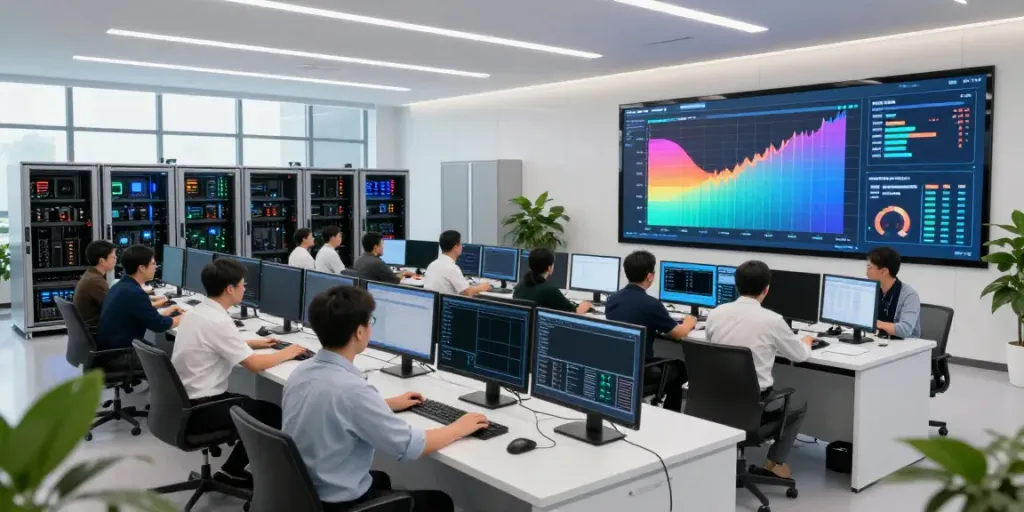
AI factories rely on the seamless integration of AI tokens within their operations to drive productivity and innovation. In these environments, tokens are employed for various purposes, such as optimizing machine learning workflows, enabling real-time analytics, and facilitating automated decision-making. As AI technology continues to advance, so too do the applications of tokens within these factories, enabling more sophisticated and effective solutions.
Participating in the AI Token Economy
Joining the AI token economy presents opportunities for individuals and businesses alike to actively engage with AI infrastructure and reap the benefits of contribution-based rewards.
Your Role in Supporting AI Infrastructure
As a participant in the AI token economy, individuals can support the underlying infrastructure that powers AI models. This participation involves selecting appropriate power plans that not only help to support AI infrastructure but also align with personal or organizational goals. Participants contribute to the electricity required for GPU operations while maintaining the potential to earn rewards based on their contributions.
Understanding Power Plans and Rewards
Power plans are designed to provide varying levels of support for AI factories’ energy needs. Each plan is structured to facilitate different levels of participation, catering to both individuals and enterprises. Rewards distributed to participants are calculated based on the electricity supplied through their selected plans and the corresponding AI workloads processed during the agreed period.
Building a Contribution-Based Strategy
To maximize benefits in the AI token economy, participants should devise a strategy that focuses on measurable contributions. This involves monitoring performance metrics and understanding how their support influences AI operations. A well-planned contribution strategy not only enhances personal rewards but also boosts overall efficiency within the AI ecosystem.
The Future of AI Tokens: Trends and Predictions for 2026
As the AI landscape continues to evolve, the future of AI tokens is expected to experience significant transformations driven by technological advancements and market dynamics.
Anticipated Changes in AI Token Structures
Future innovations may lead to more sophisticated token structures that allow for enhanced data representation and processing capabilities. This could involve the creation of hybrid tokens that integrate various data types, thereby facilitating improved performance across diverse AI applications.
Potential Challenges and Solutions Ahead
While the advancements in AI tokens present numerous opportunities, they also come with challenges such as regulatory hurdles and the need for standardization across platforms. Addressing these challenges will be essential for fostering sustainable growth in the AI token economy. Solutions may include collaborative efforts among stakeholders to establish common frameworks and guidelines for token use and data privacy.
Expert Insights on AI Tokens and Market Dynamics
Experts predict that as demand for AI services grows, the valuation of AI tokens will also rise, leading to new investment opportunities and market segments. Embracing AI tokens will likely become increasingly crucial for both startups and established entities as they look to leverage AI technology effectively.
What is the value of AI tokens?
The value of AI tokens can fluctuate based on various factors, including the underlying technology, market demand, and usage patterns within AI applications. Understanding these dynamics is essential for participants looking to maximize their returns.
How do you calculate AI token usage?
AI token usage is calculated based on the number of tokens processed during a given period. This involves tracking both input and output tokens and measuring their associated costs and computational requirements.
Who benefits from participating in AI token economies?
Participants in the AI token economy range from individual users to large enterprises, each benefiting from enhanced access to AI technologies and potential financial rewards based on their contributions to power and infrastructure.
What are the costs associated with AI tokens?
Costs associated with AI tokens include expenses related to electricity consumption, computing resources, and operational overhead needed to support AI workloads. Understanding these costs is crucial for effective management and participation in the AI economy.
How are AI tokens applied in real-world scenarios?
AI tokens are utilized in various real-world applications, including natural language processing, image recognition, and predictive analytics. These tokens facilitate seamless operations that enhance user experiences and business efficiencies across different industries.