Understanding Custom Wire Harness Manufacturing
In today's fast-paced technological landscape, the demand for tailored electrical solutions has surged, particularly within the realm of custom wire harnesses. These intricate assemblies are essential for establishing reliable electrical connections across a myriad of applications. A custom wire harness manufacturer provides specialized services to meet the unique needs of various industries, ensuring quality, efficiency, and performance. This article delves into the core aspects of custom wire harness manufacturing, exploring its benefits, production techniques, quality standards, and the critical role it plays across different sectors.
What is a Custom Wire Harness?
A custom wire harness is a systematic assembly of wires, cables, connectors, and terminals organized in a way that streamlines electrical connections in electronic devices. These harnesses are designed specifically to connect multiple components within a system while maintaining optimum performance and minimizing potential failures. Unlike standard wire harnesses, which follow a one-size-fits-all approach, custom versions are tailored to fit the specific requirements of each application, ensuring enhanced functionality and efficiency.
Key Benefits of Custom Wire Harness Solutions
- Enhanced Reliability: Custom wire harnesses are engineered to withstand the specific conditions of their operating environment, improving overall system reliability.
- Improved Efficiency: Tailored designs optimize the layout and organization of wires, reducing clutter and enhancing maintenance ease.
- Cost-Effectiveness: While custom solutions may seem costly upfront, they often lead to long-term savings through improved durability and reduced repair needs.
- Design Flexibility: Manufacturers can provide various configurations, allowing businesses to adapt their products to changing market demands or technological advancements.
Common Industries Served by Custom Wire Harness Manufacturers
Custom wire harnesses play a pivotal role across numerous industries, including:
- Automotive: Used for connecting electrical components in vehicles, enhancing safety and performance.
- Aerospace: Critical for communication systems and flight control mechanisms, subject to rigorous safety standards.
- Medical Equipment: Essential for reliable connections in devices such as diagnostic equipment and patient monitoring systems.
- Telecommunications: Facilitates connectivity and data transmission in networking and communication devices.
- Industrial Automation: Connects sensors, actuators, and control systems, crucial for process efficiency.
Choosing the Right Manufacturer
When selecting a custom wire harness manufacturer, several factors must be considered to ensure that the chosen partner can meet your specific needs and standards of quality.
Factors to Consider in a Custom Wire Harness Manufacturer
- Experience and Expertise: Look for manufacturers with a proven track record and experience in your industry.
- In-House Capabilities: Assess the manufacturer’s ability to handle design, prototyping, and production processes internally.
- Customization Options: Ensure that they offer diverse customization capabilities, including various materials and configurations.
- Technical Support: Evaluate the level of customer service and ongoing technical support provided post-sale.
Assessing Quality and Compliance Standards
Quality assurance is paramount in wire harness manufacturing, particularly given the potential risks associated with electrical failures. Reliable manufacturers adhere to international standards, including ISO and UL certifications. Engaging a manufacturer that complies with these standards ensures that you receive products that meet rigorous safety guidelines.
Understanding Pricing Structures and Quotes
Pricing for custom wire harnesses can vary significantly based on factors such as complexity, materials used, and production volume. It’s important to obtain detailed quotes from different manufacturers, comparing the costs while considering the quality and reputation of the supplier. Transparency in pricing structures will help avoid unforeseen expenses during production.
Production Techniques and Technologies
Modern custom wire harness manufacturing employs a variety of innovative techniques and technologies that enhance the efficiency and accuracy of production processes.
Overview of Manufacturing Processes in Wire Harness Production
The production of custom wire harnesses typically involves several steps:
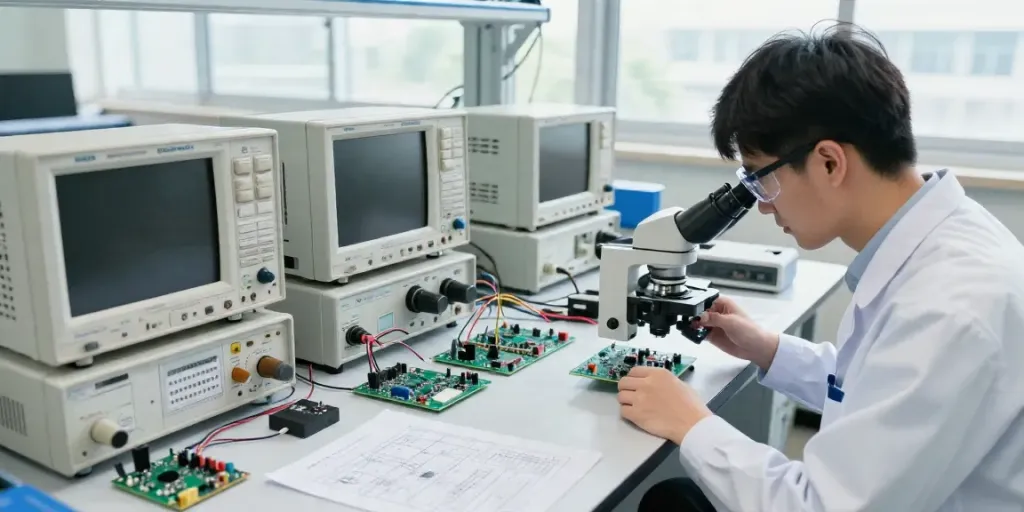
- Design and Prototyping: Initial designs are created using CAD software, followed by prototypes to validate the design.
- Material Selection: Appropriate materials are selected based on environmental factors and application requirements.
- Assembly: Wires and components are assembled according to the design specifications, often using automated processes for consistency.
- Testing: Each harness undergoes rigorous testing to ensure it meets safety and performance standards.
Innovative Technologies in Custom Wire Harness Manufacturing
Recent advancements in technology have revolutionized the custom wire harness manufacturing landscape:
- Laser Cutting: Provides precision cuts that reduce material waste and enhance accuracy.
- Automated Assembly Equipment: Increases production speed and consistency while lowering labor costs.
- Advanced Testing Methods: Employs automated systems for thorough testing, ensuring high reliability of each harness produced.
Best Practices for Efficient Production and Quality Control
To ensure the highest quality and efficiency in production, manufacturers should implement best practices such as:
- Regular training for staff on the latest technologies and quality standards.
- Strict adherence to quality control measures at every stage of the production process.
- Utilizing lean manufacturing principles to minimize waste and enhance productivity.
Applications and Use Cases
Custom wire harnesses are integral to the functionality of many devices and systems across various sectors, showcasing their versatility and importance.
How Custom Wire Harnesses Enhance Performance in Various Industries
In the automotive industry, for example, custom wire harnesses connect devices essential for safety systems and infotainment, ensuring seamless operation. In medical applications, these harnesses connect sensitive electronics that monitor patient health, where reliability is critical.
Real-World Examples of Custom Wire Harness Implementations
One notable case involved a custom wire harness designed for a high-performance electric vehicle (EV). The harnesses were engineered to handle high voltage and current loads, ensuring safety and performance during operation. Another example is found in telecommunications, where specialized wire harnesses are utilized to connect various network devices, facilitating reliable data transmission.
Future Trends in Custom Wire Harness Applications
As technology continues to evolve, the future of custom wire harnesses looks promising. Trends such as the increasing adoption of automation, IoT devices, and electric vehicles will drive demand for more sophisticated and customized solutions. Innovations such as smart wire harnesses, which can monitor performance and provide feedback, are also on the horizon, highlighting the need for ongoing R&D in this field.
Frequently Asked Questions
How do I choose a reliable custom wire harness manufacturer?
When selecting a manufacturer, assess their experience, certifications, capabilities, and customer reviews to ensure they align with your expectations and requirements.
What are the typical lead times for custom wire harness orders?
Lead times can vary based on the complexity of the design and production capacity. On average, expect anywhere from a few weeks to several months for custom orders.
What certifications should a custom wire harness manufacturer have?
Look for manufacturers that hold certifications such as ISO, UL, and RoHS compliance, as these indicate adherence to quality and safety standards.
Can I order a prototype before full production of a wire harness?
Most reputable manufacturers offer prototypes to validate design and functionality before proceeding with mass production, allowing for necessary adjustments.
What customizations are available for wire harness designs?
Customization options typically include variations in cable lengths, connectors, terminations, and materials, tailored to meet specific application requirements.