The Benefits of Epoxy Flooring for Homeowners
When it comes to enhancing the aesthetic appeal and functionality of your home, Epoxy Flooring stands out as a premier choice. This versatile flooring option not only transforms spaces but also promises durability, low maintenance, and environmental safety. In an age where homeowners seek both practicality and style, epoxy flooring emerges as a solution that meets these dual demands effectively.
Durability and Longevity
One of the most compelling advantages of epoxy flooring is its remarkable durability. Epoxy flooring can withstand heavy foot traffic, making it ideal for both residential and commercial spaces. This type of flooring is resistant to chipping, cracking, and staining, ensuring that it maintains its pristine condition for years. In fact, when properly installed and maintained, epoxy floors can last over 20 years, which is significantly longer than many traditional flooring options.
Low Maintenance Requirements
For busy homeowners, maintenance is often a key concern. Fortunately, epoxy flooring is incredibly easy to clean and maintain. Unlike carpets or tiles that may require regular scrubbing or shampooing, a simple sweep and mop are typically sufficient to keep epoxy floors looking brand new. Additionally, their seamless surface prevents dirt accumulation and allergens, contributing to a healthier indoor environment.
Environmental Considerations: VOC-Free Options
As sustainability becomes increasingly vital, many homeowners are opting for environmentally friendly products. Fortunately, epoxy flooring offers VOC-free material options that do not emit harmful fumes during or after installation. This makes them not only safer for homeowners but also better for the environment, promoting a healthier living space without compromising on quality.
Understanding Epoxy Flooring Options
When exploring options for your home, it's essential to recognize that not all epoxy flooring is created equal. There are various types of epoxy floors, each designed to meet different aesthetic preferences and functional needs. Understanding these options is crucial for making an informed decision that complements your space.
Types of Epoxy Floors
There are several types of epoxy flooring available, including:
- Self-Leveling Epoxy: Ideal for creating a smooth, even surface. This type is perfect for commercial spaces and residential areas with uneven flooring.
- Epoxy Mortar: The strongest type, suitable for environments that demand high durability, such as garages or warehouses.
- Graveled Epoxy: Combines decorative gravel with epoxy for a unique textured finish, perfect for outdoor applications.
- Flake Epoxy: Features colored vinyl flakes added for aesthetics and slip resistance. This option offers both style and practicality, making it popular for residential and commercial settings.
Choosing the Right Flakes: Color Charts
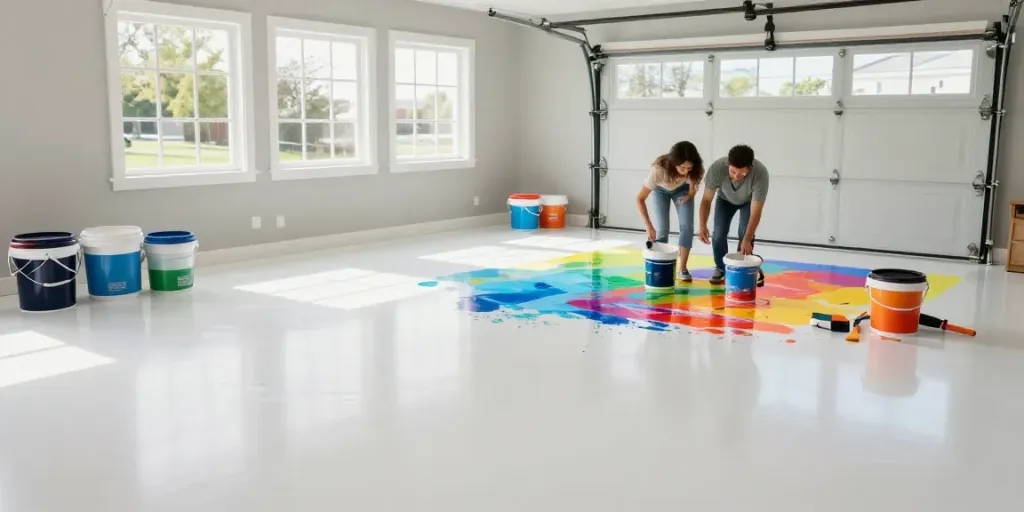
Another advantage of epoxy flooring is the wide array of design options available. Homeowners can select from various flake colors to customize their flooring according to personal taste. Popular choices often include earthy tones, bright hues, and even metallic finishes, enabling individuals to create a unique atmosphere that aligns with their home's decor.
Customized Solutions for Unique Spaces
Customized epoxy flooring solutions ensure that every homeowner can find a style that fits their design vision. Whether you want a sleek, modern look or a more traditional finish, the options are virtually limitless. Professional installers can help create bespoke designs tailored to your specific needs, enhancing the overall aesthetic of your home.
Installation Process for Epoxy Flooring
Understanding the installation process is critical for homeowners considering epoxy flooring. A proper installation not only guarantees the longevity of the floor but also enhances its performance.
Preparation of the Concrete Surface
The first step in the installation process involves preparing the concrete surface. This includes cleaning the surface to remove any dirt, grease, or debris. In some cases, the concrete may need to be ground down to ensure proper adhesion of the epoxy. This preparation is crucial in preventing future peeling or bubbling.
Step-by-Step Application Guide
The application process generally follows these steps:
- Mix the epoxy resin and hardener according to the manufacturer's instructions.
- Apply a primer coat to enhance adhesion.
- Pour the epoxy mixture onto the surface, spreading it evenly.
- Add flakes, if desired, and allow curing according to product specifications.
- Finish with a topcoat for additional protection and durability.
Tips for DIY Enthusiasts
For homeowners considering a DIY approach, it's important to remember that preparation and patience are key. Make sure to read all instructions thoroughly and gather all necessary tools before starting. Additionally, working in small sections can help manage the curing process more effectively.
Common Misconceptions about Epoxy Flooring
While epoxy flooring offers numerous benefits, several misconceptions may deter homeowners from choosing this option. Addressing these myths is essential for making an informed decision.
Addressing Cost Concerns
One common misconception is that epoxy flooring is prohibitively expensive. While initial costs can be higher than other flooring types, the longevity and low maintenance requirements often make epoxy flooring a cost-effective solution over time. Many homeowners find that the investment pays off in durability and aesthetic appeal.
Understanding Lifespan vs. Maintenance
Some individuals believe that all flooring options require similar maintenance levels. However, epoxy flooring typically requires far less upkeep than carpets or tiles, making it a practical choice for busy households.
Myths about Durability and Aesthetics
Another myth is that epoxy flooring lacks variety and can look industrial or bland. In reality, the range of colors, patterns, and finishes available proves that epoxy flooring can be both highly durable and aesthetically pleasing. Homeowners can achieve a modern, stylish look while benefiting from its robust properties.
Future Trends in Epoxy Flooring (2026 and Beyond)
The future of epoxy flooring is bright, with innovative designs and technologies on the horizon. Homeowners can expect to see exciting trends that enhance the versatility and appeal of this flooring option.
Innovative Flake Designs and Colors
As trends evolve, the flavor of epoxy flooring is set to become more daring and colorful. Expect to see unique flake designs that cater to personal tastes, allowing homeowners to express their individuality even further.
Technological Advancements in Application
Advancements in technology will likely streamline the application process, making it easier and faster to install epoxy flooring. Innovations such as improved mixing techniques and enhanced curing processes will contribute to a more seamless experience for both DIYers and professionals alike.
Growing Popularity in Residential Spaces
Lastly, as more homeowners discover the benefits of epoxy flooring, its popularity will continue to grow in residential settings. With increased awareness of its advantages, including durability, low maintenance, and aesthetics, more people will consider it for their homes.
What is the downside of epoxy flooring?
While epoxy flooring is highly durable, it does have its downsides. For instance, it can be slippery when wet and may require a non-slip additive for safety. Additionally, if installed improperly, it can peel or bubble, which underscores the importance of professional installation.
Is it expensive to epoxy a floor?
While the upfront costs can be higher than other flooring options, considering its long lifespan and low maintenance needs, epoxy flooring may be more cost-effective in the long run.
How long will an epoxy floor last?
With proper installation and maintenance, an epoxy floor can last anywhere from 10 to 20 years or even longer, depending on the amount of foot traffic and wear it experiences.
How much does it cost to epoxy 1000 sq ft?
The cost to epoxy a 1000 sq ft area varies widely based on factors such as materials, labor, and geographical location. On average, homeowners might expect to pay between $2,000 to $5,000 for a professional job.