Understanding Community Needs
To effectively engage in community service, it is crucial to grasp the unique needs and challenges facing your locality. Every community has its distinct set of issues that require attention, from homelessness and food insecurity to educational disparities. By identifying these challenges, you can better align your efforts with the areas of greatest need. Furthermore, knowing how you can help through targeted initiatives can amplify your impact. When exploring options, how you can help provides comprehensive insights that can guide your approach.
Identifying Local Issues
The first step in understanding community needs is identifying local issues. Engage with community members, local leaders, and organizations to gather information about pressing concerns. This may involve surveys, focus groups, or informal discussions with residents. Key areas to consider include:
- Access to essential services (healthcare, education, transportation)
- Economic challenges (unemployment rates, local business support)
- Social issues (crime rates, mental health awareness)
By gaining a clear picture of these issues, you can prioritize your efforts effectively.
Assessing Volunteer Opportunities
Once you have identified the prevailing issues in your community, the next step is to assess volunteer opportunities. Local nonprofits and community organizations often seek volunteers to support their initiatives. Research various organizations to understand their missions, current projects, and volunteer requirements. Participating in their events not only offers hands-on experience but also cultivates a network of like-minded individuals who share your commitment to community service.
Engaging with Community Leaders
Engagement with community leaders is vital for fostering collaboration and ensuring that your efforts are aligned with the needs of the community. Attend local meetings, forums, and events to connect with these leaders. Building relationships allows for more effective communication and partnership development, which can enhance the scope and reach of your community initiatives.
Effective Ways to Help Your Community
There are numerous ways to contribute positively to your community. The methods of engagement can vary based on your skills, resources, and interests. Here are some effective strategies to consider:
Organizing Clean-Up Events
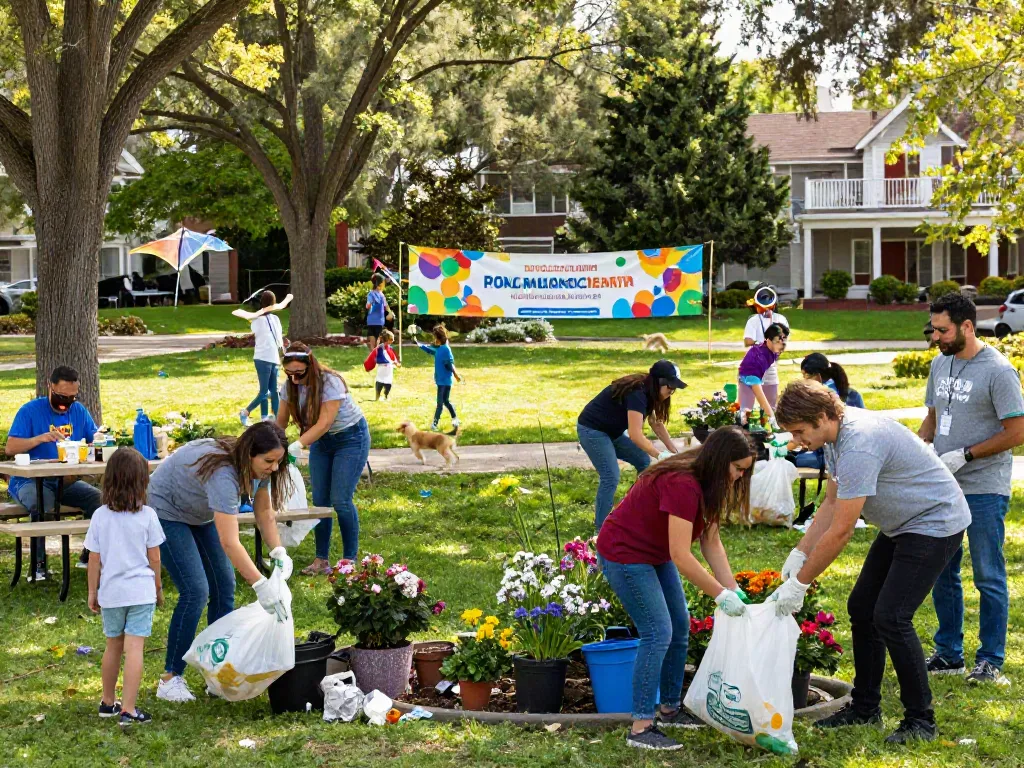
One impactful way to help is by organizing community clean-up events. These initiatives not only beautify the neighborhood but also foster a sense of community pride. Coordinate with local groups, secure necessary permits, and promote the event through social media and local advertisements. Ensure you have supplies like trash bags, gloves, and refreshments to encourage participation.
Starting Fundraising Campaigns
Fundraising campaigns can significantly aid local organizations working on critical issues. Whether it’s for a food bank, homeless shelter, or educational initiative, consider launching a campaign to gather financial support. Utilize platforms like GoFundMe or social media to reach wider audiences, sharing compelling stories and statistics that highlight the necessity of contributions.
Creating Awareness Programs
Raising awareness about specific community issues is another way to help. Initiate programs that educate your peers on important topics such as mental health, domestic violence, or environmental sustainability. This could involve hosting workshops, creating informational pamphlets, or using social media campaigns to disseminate information and encourage community involvement.
Challenges Faced by Community Volunteers
While volunteering is rewarding, it comes with challenges that can hinder effectiveness. Understanding these challenges prepares you for overcoming them.
Overcoming Volunteer Fatigue
Volunteer fatigue is a real issue that many individuals face. After repeated engagements, the initial enthusiasm can wane, leading to burnout. To combat this, diversify your volunteer activities, take breaks when needed, and connect with other volunteers to share experiences and encourage one another.
Addressing Resource Limitations
Many community organizations struggle with limited resources. This can affect the scope of projects and initiatives. As a volunteer, advocate for resource allocation by helping organizations apply for grants, organize fundraising efforts, or partner with businesses willing to donate supplies or funds.
Understanding Community Dynamics
Communities are dynamic and constantly evolving. Understanding the social dynamics within a community can be challenging yet essential for effective engagement. Attend community meetings, participate in local events, and develop relationships with residents to gain insights into their needs and perspectives.
Building a Support Network
A strong support network is crucial for sustained community engagement and effectiveness. Collaborating with others amplifies your impact and fosters a sense of community responsibility.
Partnering with Local Organizations
Collaborating with local organizations can maximize your outreach and effectiveness. Many nonprofits are open to partnerships and appreciate the resources and manpower that volunteers can bring. Establish clear communication channels, understand each other’s goals, and work towards shared objectives.
Utilizing Social Media for Outreach
In today's digital age, social media plays a vital role in community outreach. Create social media pages dedicated to your initiatives, share stories, updates, and upcoming events. Engaging content can inspire others to participate and share your message within their networks.
Establishing Mentorship Programs
Mentorship programs can provide invaluable support, particularly for youth in the community. Connect experienced individuals with those seeking guidance, whether in education, career development, or personal growth. These relationships can empower individuals and drive positive change within the community.
Future Trends in Community Engagement for 2026
As we move towards 2026, community engagement will continue to evolve with new trends and technologies. Staying informed and adaptable is key to effective community service.
Leveraging Technology for Better Coordination
The use of technology in community engagement is likely to increase. Tools like mobile apps, online platforms, and social media will facilitate communication and coordination among volunteers and organizations. Familiarizing yourself with these tools can enhance your efficiency and outreach.
Incorporating Sustainability Practices
Environmental sustainability will remain a crucial focus for community initiatives. Organizations will likely prioritize sustainable practices, such as eco-friendly events and green community projects. As a volunteer, advocate for and participate in these initiatives to promote a healthier environment.
Adapting to Changing Demographics
Communities are becoming increasingly diverse, highlighting the need for inclusive practices. Engaging with various demographic groups will require adaptability and cultural awareness, ensuring that services and programs are accessible and relevant to all community members.
What are some simple ways to help my community?
Simple acts of kindness can make a significant difference. Consider volunteering at a local food pantry, helping a neighbor with errands, or organizing a book drive for local schools. Every small action contributes to a larger impact.
How can I make a lasting impact in my locality?
To make a lasting impact, focus on sustainability. Initiate projects that empower community members, provide ongoing support, and cultivate a culture of service. Collaborate with local organizations to ensure that your efforts continue even after you step back.
What resources are available for community service?
Numerous resources are available for those looking to engage in community service. Websites like VolunteerMatch and local community boards can help you find opportunities that align with your interests and skills. Additionally, local libraries and community centers often provide resources and information on volunteer initiatives.
How do I engage others in volunteer work?
Engaging others can involve sharing your experiences and the impact of community service. Host informational sessions, share stories on social media, and encourage friends and family to participate in initiatives. The more people understand the importance of service, the more likely they are to get involved.
What are the best practices for community outreach?
Effective community outreach involves clear communication, genuine relationships, and collaborative efforts. Utilize multiple platforms to reach your audience, tailor your message to resonate with diverse groups, and always provide opportunities for feedback and engagement.