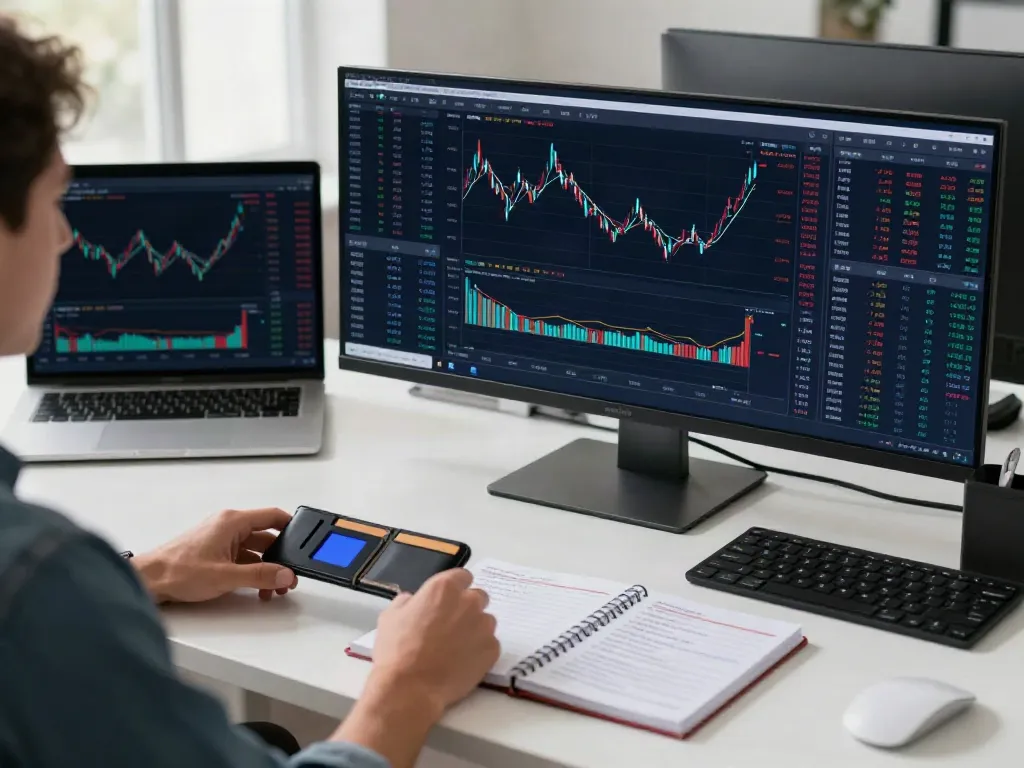
Understanding the Cryptocurrency Market
The cryptocurrency market has evolved dramatically over the past few years, presenting both opportunities and challenges for traders and investors. As we move into 2026, understanding the dynamics of this marketplace becomes crucial for anyone looking to engage in trading or investing in digital assets. Factors such as market sentiment, technological advancements, and regulatory changes significantly influence price movements and trading strategies. To navigate this complex landscape effectively, platforms like https://piteas.trade provide valuable insights and tools for traders.
What Drives Cryptocurrency Prices?
Cryptocurrency prices are driven by a blend of factors including supply and demand dynamics, market sentiment, and macroeconomic indicators. The speculative nature of crypto trading can lead to significant price swings, attracting both serious investors and casual traders. The introduction of new technologies, such as decentralized finance (DeFi) and non-fungible tokens (NFTs), has also contributed to increased interest and investment in cryptocurrencies.
- Market Sentiment: News, social media trends, and influential figures in the crypto space can sway public sentiment, impacting prices.
- Supply and Demand: The availability of a cryptocurrency and its desirability influence its market price. Limited supply often leads to higher prices.
- Regulatory News: Policies and regulations from governments can create uncertainty or confidence, affecting market behavior significantly.
Key Trends in 2026
As we look at 2026, several trends are shaping the cryptocurrency landscape:
- Increased Regulation: Governments worldwide are formulating clearer regulations, leading to enhanced legitimacy but also compliance challenges.
- Institutional Investment: More institutional players are entering the market, providing greater stability and liquidity.
- Decentralized Finance (DeFi): DeFi continues to grow, offering unique financial solutions and democratizing access to financial services.
Common Misconceptions About Crypto Trading
There are many misconceptions surrounding cryptocurrency trading that can hinder beginner traders. Some common myths include:
- It’s only for tech-savvy individuals: While a basic understanding of technology helps, anyone can learn to trade with the right resources.
- All cryptocurrencies are the same: Each cryptocurrency has different use cases, technology, and market dynamics.
- Rich quick scheme: Many view crypto trading as a fast way to become wealthy, but success typically requires knowledge, patience, and strategy.
Getting Started with Trading on https://piteas.trade
Starting your trading journey on platforms like https://piteas.trade can be an exciting venture. However, understanding the process and tools available is imperative for your success. Knowing how to set up your account, manage your wallet, and establish your trading goals can significantly impact your trading outcomes.
Creating Your Account
The first step in trading cryptocurrencies is creating an account on a reliable trading platform. Here’s a simple guide:
- Choose a platform: Select a platform that aligns with your trading goals and offers the features you need.
- Provide required information: Fill in your personal details, including email and password, and complete any KYC (Know Your Customer) requirements.
- Secure your account: Implement two-factor authentication and choose a strong password to secure your account against unauthorized access.
Understanding Wallets and Security
Wallets are essential for storing your cryptocurrencies safely. They come in two main forms:
- Hot Wallets: These are connected to the internet and are more convenient for trading but are less secure.
- Cold Wallets: These are offline storage options, offering enhanced security at the cost of convenience.
Always ensure that you are aware of the best security practices, such as backing up your wallet and using strong passwords.
Setting Your Trading Goals
Establishing clear trading goals is vital for your success. Consider the following:
- Define your objectives: Are you trading for short-term gains or long-term investment?
- Risk tolerance: Understand how much risk you are willing to take and set your investment amounts accordingly.
- Continuous learning: Stay updated with market trends and continuously improve your trading strategies.
Advanced Trading Strategies for Success
Once you have a grasp of the basics, you can delve into more advanced trading strategies to enhance your profitability.
Technical Analysis Techniques
Technical analysis involves using historical price data to forecast future price movements. Key techniques include:
- Chart Patterns: Recognizing patterns like head and shoulders, triangles, and flags can help predict price movements.
- Indicators: Tools like Moving Averages, RSI (Relative Strength Index), and Fibonacci retracement are essential for analyzing market trends.
Utilizing Trading Bots Effectively
Trading bots can automate your trading strategies, allowing you to capitalize on market opportunities without constant monitoring. Key considerations include:
- Choosing the right bot: Select a bot that suits your trading strategy, whether it’s for arbitrage or market making.
- Backtesting: Test your strategies on historical data to ensure their effectiveness before deploying them in live markets.
Risk Management Best Practices
Effective risk management is critical in trading to minimize losses. Here are some best practices:
- Use Stop-loss Orders: Implement stop-loss orders to automatically sell your assets at predetermined prices to limit losses.
- Position Sizing: Determine the right amount to invest in each trade based on your total capital and risk tolerance.
- Diversification: Spread your investments across different assets to reduce risk exposure.
Real-World Case Studies of Successful Traders
Learning from the experiences of successful traders can provide insights into effective strategies and practices.
Interviews with Top Traders
Engaging with successful traders can reveal valuable strategies and mindsets. They often emphasize the importance of continuous education, emotional control, and disciplined trading.
Learning from Mistakes
Every trader makes mistakes, but learning from them is crucial. Analyze past failures to identify what went wrong and how to avoid similar pitfalls in the future.
Emerging Opportunities in Crypto
Staying aware of emerging opportunities, such as new projects and trends in the DeFi space, can lead to potential high returns. Subscribe to newsletters, engage in communities, and follow market news.
The Future of Trading Platforms in 2026
The trading landscape is constantly evolving, with numerous innovations expected to shape how we interact with markets.
Innovations in DEX Technology
Decentralized exchanges (DEXs) are becoming increasingly popular, offering users greater control over their assets with lower fees. Key innovations include:
- Liquidity Pools: Users can contribute to liquidity pools and earn rewards while trading.
- Cross-chain Trading: Advances in technology are enabling seamless trading across different blockchain networks.
The Role of AI in Trading
Artificial Intelligence (AI) is set to revolutionize trading by analyzing vast amounts of data and executing trades at optimal times. AI-driven analytics can significantly enhance decision-making processes.
Regulatory Changes Ahead
As cryptocurrency matures, expect increased regulatory scrutiny. Understanding upcoming regulations will be key for traders to ensure compliance and capitalize on market opportunities.
What is the Impact of Web3 on Trading?
Web3 technology is aimed at decentralizing the internet, which could fundamentally alter trading environments. Expect enhancements in user privacy, security, and ownership rights within the trading ecosystem.