Understanding Alternatives to QOVES
As the digital landscape continues to evolve, so do the tools that help individuals assess and enhance their facial aesthetics. Among the various services available, QOVES has gained considerable traction for its promise of a comprehensive facial analysis, which is delivered by a trained team of specialists. However, with a membership fee of $150 per year, many are exploring Alternatives to QOVES that may better suit their needs or budget. This article delves into effective alternatives and offers a detailed analysis of the services that provide similar features, ensuring readers can make informed decisions when it comes to facial aesthetics evaluation.
What is QOVES and its Offerings?
QOVES stands out in the beauty-tech industry for offering a unique combination of AI-driven technology and human expertise in facial analysis. Users pay an annual fee of $150 to receive tailored aesthetic protocols and visuals within 28 days. Each analysis is conducted by a vetted team, which adds a layer of credibility to the feedback provided. The service primarily focuses on identifying individual facial features and suggesting improvements based on scientific principles related to beauty and symmetry.
Overview of Facial Analysis Services
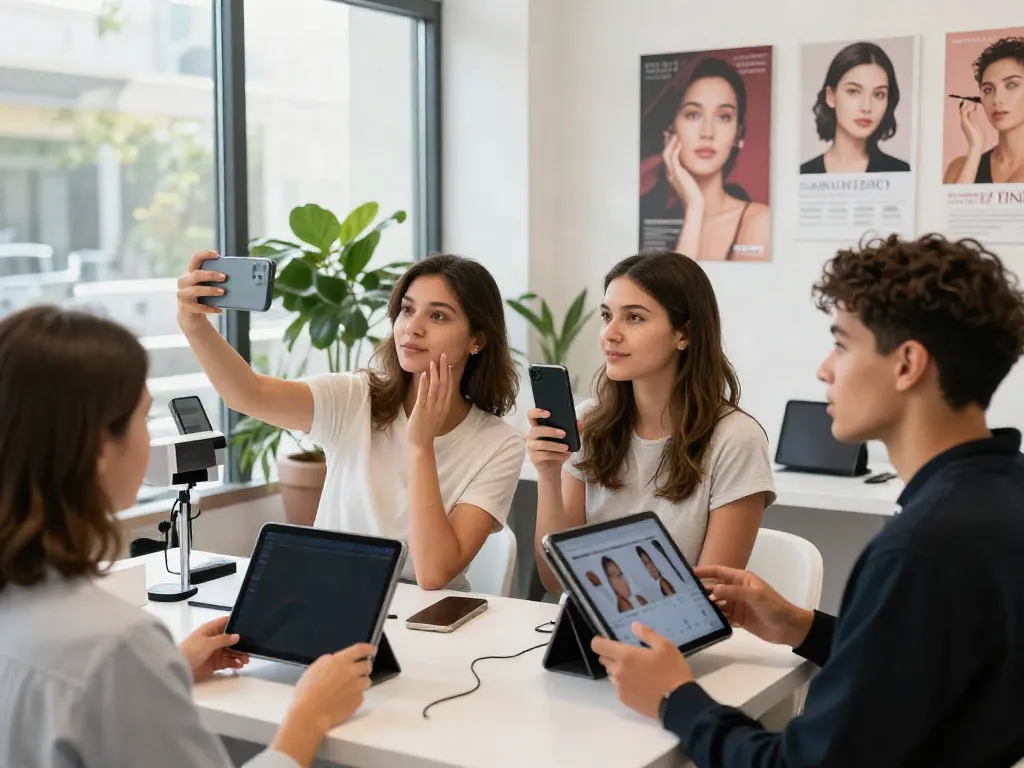
The growing demand for personal aesthetics insights has led to a proliferation of facial analysis services. While services like QOVES provide comprehensive reviews, others offer quicker, more automated solutions. For instance, apps that utilize AI to evaluate selfies can deliver instant scores and suggestions without human input, catering to those seeking immediate feedback. Understanding the spectrum of available services—including both in-depth analysis and app-based scores—is crucial for potential users.
Why Look for Alternatives to QOVES?
There are several reasons one might consider alternatives to QOVES. For many users, cost is a significant factor, as the annual subscription may not fit everyone's budget. Additionally, some may prefer the immediacy of app-based scoring systems that provide instant insights. Others might be looking for a more personalized approach, where human feedback drives their aesthetic goals. As more options emerge, the search for a service that balances cost, quality, and user preference becomes increasingly relevant.
Comparative Analysis of Facial Analysis Services
When exploring alternatives to QOVES, it’s essential to evaluate each service based on specific criteria, including the depth of analysis, cost, and user experience. Below is a comprehensive overview of notable services that serve as alternatives.
ClinicEvo: A Comprehensive Review
ClinicEvo offers a robust alternative to QOVES, charging $12 per month or $144 annually. The service features a human-reviewed report delivered within five business days. Users receive a detailed EvoPlan™, which combines AI analysis with insights from trained aesthetic specialists. ClinicEvo’s approach allows for a nuanced understanding of a user's aesthetics, making it a compelling choice for those seeking a blend of technology and human expertise in their facial analysis.
Umax: Instant Score and Benefits
Umax provides an app-based solution that rates selfies using AI technology. This service is notably different from QOVES and ClinicEvo, as it offers instant scores and improvement suggestions but lacks the human review component. The simplicity and immediacy of Umax make it appealing to users who want quick feedback on their appearance without the commitment of a monthly or annual subscription.
LooksMax AI: Unique Features Explained
LooksMax AI focuses on giving users an AI-driven attractiveness rating while also providing personalized grooming, skincare, and hairstyle recommendations. The app combines advanced algorithms with user uploads to generate a score that reflects the user's perceived beauty. While it’s a more focused service aimed at improving specific aspects of appearance, it lacks the comprehensive analysis offered by services like QOVES and ClinicEvo.
Cost Considerations and Membership Plans
Understanding Pricing Across Services
Cost is a key factor when comparing facial analysis services. While QOVES charges $150 annually for its membership, alternatives like ClinicEvo offer a more budget-friendly option at $12 per month, totaling $144 per year. Umax and LooksMax AI feature different pricing structures, often leaning towards lower upfront costs but may lead to higher annual expenses depending on usage. Evaluating each service's pricing model helps users make informed decisions based on their budget constraints.
Annual vs. Monthly Memberships: What’s More Affordable?
Many services offer flexible pricing, allowing users to choose between monthly and annual memberships. Although monthly plans may appear cheaper at face value, they can accumulate to higher costs over a year. For example, a weekly subscription priced at $3.99 can total approximately $207 if maintained for a full year. Understanding the long-term financial implications of each plan is essential when selecting an alternative to QOVES.
Hidden Costs to Consider with Each Service
In addition to upfront costs, users should consider possible hidden fees associated with each service. Some platforms may charge for additional features or personalized consultations. Additionally, lack of human review in some automated systems could lead to less accurate assessments, potentially resulting in dissatisfied customers and extra costs if they seek further evaluations elsewhere.
Key Features to Evaluate in Similar Services
Importance of Human Review in Analysis
One of the critical elements to consider when choosing among facial analysis services is whether a trained professional reviews the results. Both QOVES and ClinicEvo emphasize human analysis, ensuring tailored feedback that considers individual variations in facial structure and aesthetics. In contrast, services like Umax and LooksMax AI primarily rely on algorithms, which might not provide the same depth of insight.
Personalized Plans vs. Automated Scores
When assessing different services, it's vital to distinguish between those that offer personalized aesthetic plans and those that provide mere scores. Services like ClinicEvo deliver comprehensive recommendations based on user assessments, while others merely generate a number that lacks context. Understanding what users truly seek—detailed guidance or quick assessments—can significantly influence their satisfaction.
Ongoing Tracking and Support Options
For many users, the continuation of support after the initial analysis is paramount. Some services include follow-up assessments or tracking features to monitor progress in achieving aesthetic goals. QOVES and ClinicEvo both facilitate ongoing support, while other alternatives might not provide such comprehensive tracking, which is a crucial differentiator for users focused on long-term improvement.
Future Trends in Facial Analysis Technology
Emerging Technologies and Their Impact
The field of facial analysis technology is rapidly evolving, with new advancements in AI and machine learning poised to transform user experiences. As algorithms become more sophisticated, we can expect more accurate and nuanced facial assessments, providing users with a better understanding of their aesthetic potential. This growth will likely lead to increased competition among providers, driving innovations that benefit consumers.
Consumer Expectations in 2026 and Beyond
As consumers become more informed about aesthetic technologies, their expectations are rising. Users are increasingly looking for services that combine convenience, affordability, and personalized care. In this climate, providers that offer unique value propositions—whether through advanced AI features or human expertise—will have a distinct advantage in attracting and retaining customers.
Potential Developments in AI for Beauty Analysis
Future advancements in AI could allow for even more personalized facial analysis. Potential developments may include integrations with augmented reality, providing users with real-time visualizations of suggested improvements. As technology continues to advance, the interplay between human insight and AI-driven analysis will likely result in groundbreaking solutions that redefine beauty assessment dynamics.
What are the alternatives to QOVES?
Several viable alternatives to QOVES include ClinicEvo, Umax, LooksMax AI, PrettyScale, and FaceRate.ai. Each service offers a unique approach to facial analysis, catering to different user needs and budgets. Exploring these alternatives can provide potential users with valuable options to enhance their aesthetic journey.
How much do alternatives to QOVES cost?
The cost of alternatives to QOVES varies significantly. ClinicEvo charges $12 monthly, while QOVES stands at $150 annually. Services like Umax and LooksMax AI offer different pricing structures, often involving flexible plans that may or may not lead to higher annual costs.
Are there free alternatives to QOVES?
Yes, several services offer free or trial-based alternatives to QOVES. PrettyScale and FaceRate.ai, for instance, allow users to receive aesthetic scores without any charge. However, these services might not provide the depth of insight or personalized plans available with paid offerings.
Which facial analysis service is the most accurate?
Accuracy can depend on user expectations and the specific features valued in the analysis. Services such as QOVES and ClinicEvo, which include professional human reviews, may offer more accurate insights compared to purely automated services. However, for quick assessments, app-based services can still provide reasonable accuracy for basic needs.
What features should I look for in analysis services?
When evaluating facial analysis services, consider features such as human review, personalization of plans, cost structures, and ongoing support options. Understanding what is important to you will help identify a service that meets your specific requirements and aesthetic goals.