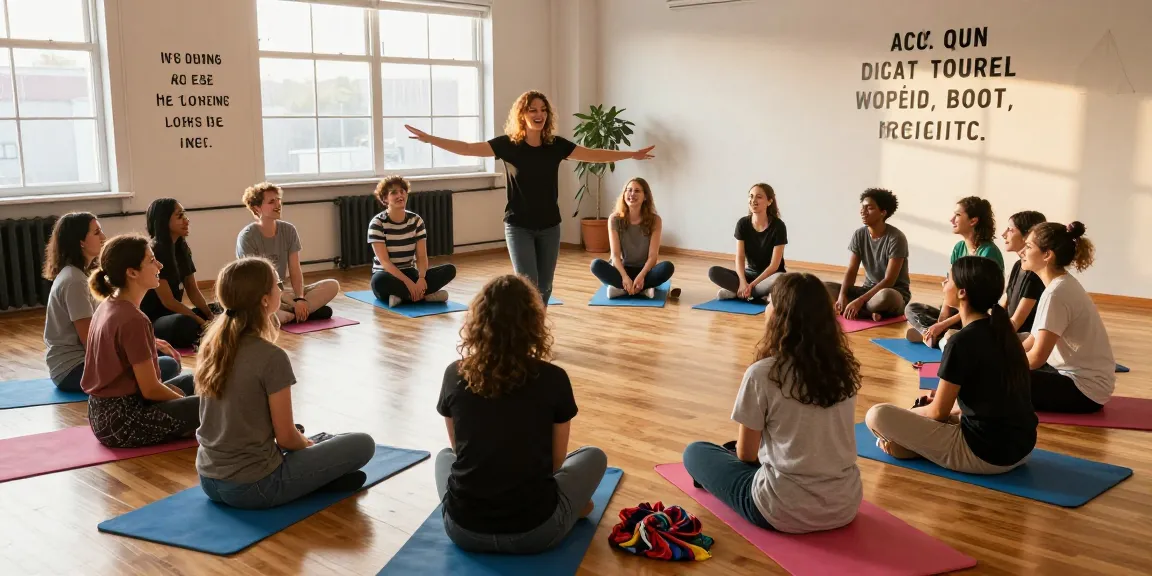
Understanding the Fundamentals of Improv
Improvisation, commonly known as improv, is a unique form of performance art that prioritizes spontaneity and creativity. In a beginner improv class, participants learn to embrace their instincts and think on their feet, leading to moments of unexpected humor and insight. This practice not only entertains but also serves as a powerful tool for personal growth and social interaction.
What is Improv? An Overview
Improv is a theatrical art form where most or all of what is performed is created spontaneously by the performers. Unlike scripted performances, improv relies on the creativity of the actors, who must respond to cues from one another and their environment. This can take many forms, from short games to long-form storytelling, and it often incorporates audience suggestions, making each performance unique.
Key Principles of Improv
- Yes, and...: This foundational principle encourages acceptance and building on ideas presented by others.
- Active Listening: Participants must listen closely to their scene partners to react authentically and constructively.
- Trust and Support: Improv fosters a safe environment where performers trust each other to take risks and support their ideas.
Benefits of a Beginner Improv Class
Taking a beginner improv class offers numerous benefits, including enhanced creativity, improved communication skills, and increased confidence. Participants often find that the skills they develop in improv translate into various aspects of their lives, such as public speaking, professional collaboration, and social interactions. Engaging in this playful and supportive environment allows individuals to express themselves freely and overcome their fears.
Building Confidence Through Improvisation
One of the most profound effects of participating in a beginner improv class is the boost in confidence it provides. Students learn to embrace uncertainty, which often translates to greater self-assuredness in everyday situations.
Overcoming Stage Fright in Classes
Stage fright is a common challenge faced by many individuals, particularly those new to performing. Improv classes offer a supportive environment where mistakes are seen as part of the learning process. Techniques like deep breathing and visualization can help manage anxiety, allowing participants to enjoy the experience rather than fear it.
Techniques to Boost Self-Esteem
Improvisation inherently encourages self-acceptance and self-expression. By validating each other's ideas, participants build a positive feedback loop that enhances self-esteem. Regular participation allows individuals to see their progress, which is crucial for developing a positive self-image.
Role of Positive Reinforcement in Learning
Positive reinforcement is essential in improv classes. Instructors and peers offer encouragement and celebrate wins, no matter how small. This collaborative atmosphere promotes a sense of belonging, making it easier for individuals to express themselves and take risks.
Essential Skills Developed in Improv
Improv not only entertains but also equips participants with vital life skills that can prove beneficial in various settings. Here’s a closer look at some of these essential skills.
Listening and Communication Techniques
Active listening is a cornerstone of any successful improv performance. Students learn to focus on their scene partners, ensuring they can respond appropriately and contribute meaningfully to the narrative. This skill translates into better communication in personal and professional relationships.
Creativity and Quick Thinking
Improv encourages quick thinking and creativity. Participants must develop their ability to generate ideas on the spot, which enhances their problem-solving skills and ability to think outside the box in everyday life.
Collaboration and Teamwork in Practice
Improv is inherently collaborative. Students are encouraged to support and uplift each other, working together to create engaging performances. This teamwork fosters strong bonds between participants and teaches the value of cooperation and compromise.
Common Challenges Faced by Beginners
While beginner improv classes are rewarding, they can also present several challenges that newcomers need to navigate as they build their skills.
Handling Mistakes and Failures
In improv, mistakes are not only inevitable but also a vital part of the learning process. Beginners must learn to view errors as opportunities for humor and innovation rather than failures. Developing resilience in the face of mistakes fosters a growth mindset.
Dealing with Judgment and Criticism
Fear of judgment can be a significant barrier for many newcomers. Improv classes create a safe space where participants are encouraged to support each other and provide constructive feedback. Learning how to cope with and learn from criticism prepares individuals for similar situations in other areas of life.
Strategies to Stay Present and Focused
Staying present in the moment is crucial for successful improv. Techniques such as mindfulness and grounding exercises help participants remain focused and engaged during performances, allowing them to respond authentically to their environment and fellow performers.
Emerging Trends in Improv Education for 2026
As we move into 2026, the field of improv education continues to evolve, integrating new methods and technologies to enhance the learning experience.
Incorporating Technology into Classes
With advancements in technology, improv classes are increasingly incorporating tools like video recordings and virtual reality. These innovations provide students with new perspectives on their performances, enabling them to analyze their skills and identify areas for improvement.
Virtual Improv Classes: The Future
The rise of online platforms has made improv training more accessible than ever. Virtual classes allow participants from diverse geographical locations to connect and collaborate, expanding the reach of improv education.
Expanding Improv Beyond the Stage
Improv techniques are finding applications beyond traditional performance settings. Workshops and classes are increasingly being used in corporate environments to foster creativity, enhance team dynamics, and improve communication skills among employees.
What should I expect in a beginner improv class?
In a beginner improv class, you can expect a relaxed and supportive atmosphere where you'll participate in fun exercises designed to boost your confidence and creativity. Expect to engage in warm-up games, scene work, and group improvisations while receiving constructive feedback from your instructor and classmates.
How can improv enhance my everyday life?
Improv can enhance everyday life by improving your communication skills, helping you become more adaptable to changes, and fostering your ability to think quickly on your feet. It also increases your comfort with social interactions and encourages you to embrace spontaneity.
What are some popular improv exercises?
Some popular improv exercises include “Yes, and...,” where participants build on each other's statements, and “The Alphabet Game,” where performers create a scene in which each line starts with the next letter of the alphabet. These exercises help develop quick thinking, creativity, and teamwork.
Are there online beginner improv classes available?
Yes, many platforms offer online beginner improv classes, making them accessible to anyone, anywhere. These classes often feature real-time interaction with instructors and fellow participants, allowing for an engaging and immersive learning experience.
How can I practice improv skills outside of class?
You can practice improv skills outside of class by joining local acting groups, participating in community theater, or engaging in improv games with friends. For more information, Thinking on your feet offers valuable insights. Additionally, watching improv performances can provide you with insights and inspiration to apply in your practice.